The Benefits and Risks of Using Credit Cards in Ireland
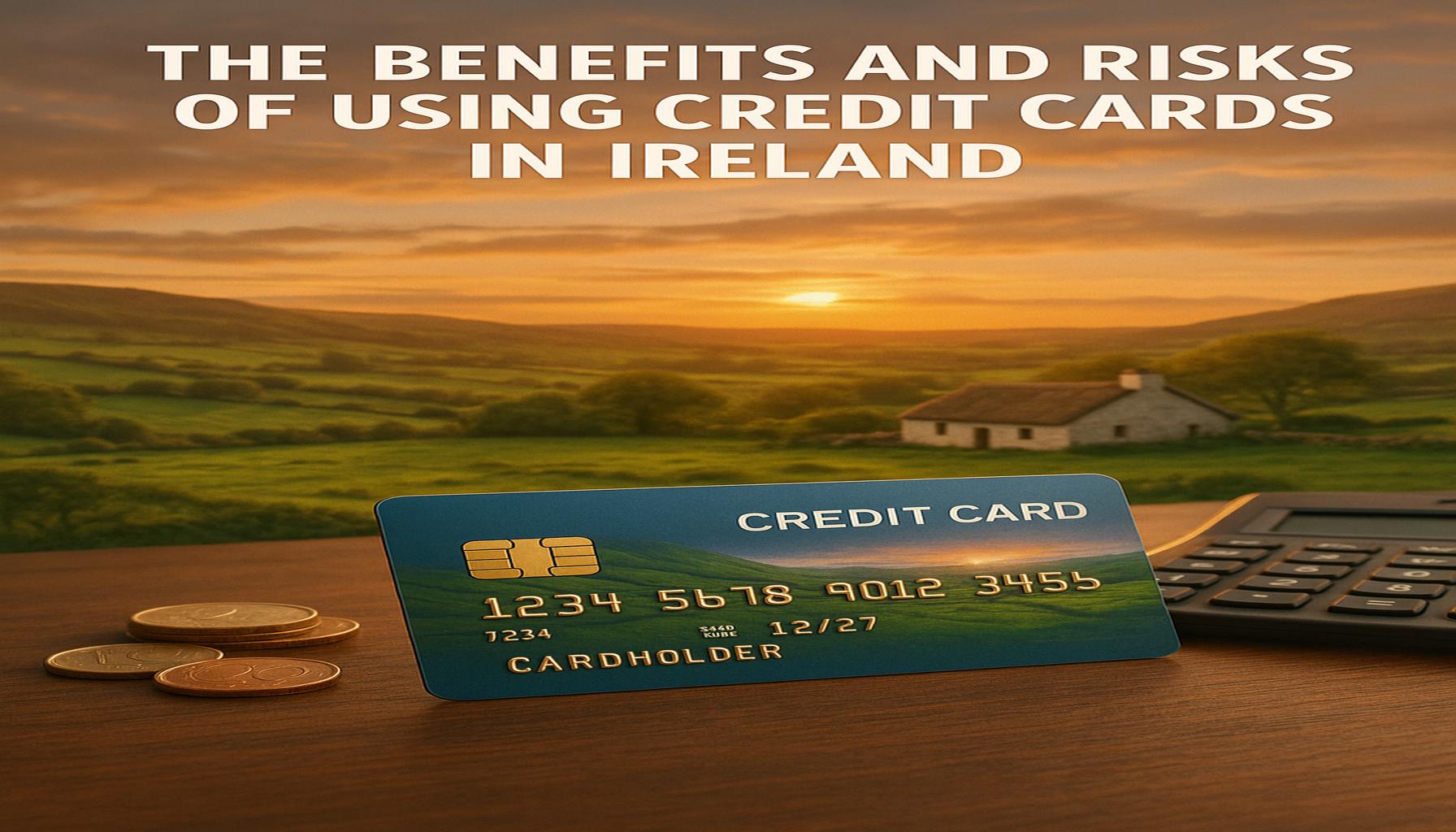
The Rise of Credit Cards in Everyday Irish Life
In today’s fast-paced financial landscape, credit cards have become a staple in many households across Ireland. They offer unparalleled convenience and opportunities for enhancing purchasing power, making them an attractive option for consumers. As people seek ways to simplify transactions and enhance their purchasing capabilities, the use of credit cards is increasingly prevalent across various demographics, from young professionals looking to build their financial futures to families managing daily expenses.
Benefits of using credit cards include:
- Rewards Programs: Many credit cards provide points or cashback on everyday purchases, which can lead to substantial savings. For example, credit cards offered by major banks in Ireland, such as AIB and Bank of Ireland, often include rewards that allow cardholders to earn points for travel, shopping, or dining out. These programs not only incentivize the use of the card but can also lead to significant discounts or free gifts, enhancing their value.
- Building Credit History: Responsible use of credit cards can improve your credit score, a crucial factor for future loans. In Ireland, financial institutions often review credit history when assessing applications for mortgages or personal loans. Regularly paying off your credit card balance can demonstrate financial responsibility and reliability to lenders.
- Emergency Funds: In unexpected situations, having a credit card can provide a financial safety net when cash is low. For instance, if a sudden car repair or medical bill arises, a credit card can offer immediate access to funds, allowing individuals to manage essential expenses without delay.
However, these financial tools come with their own set of challenges that consumers must be wary of.
Risks associated with credit card usage include:
- Debt Accumulation: High-interest rates can lead to significant debt if balances are not managed properly. In Ireland, credit card interest rates can range from 15% to over 20%, which means accumulating a balance on a card can quickly spiral out of control if not addressed.
- Overspending: Easy access to credit may result in spending beyond one’s means, causing financial strain. With multiple shopping apps and online stores now accepting credit cards, impulsive buying behavior is a genuine risk, particularly for younger consumers still learning to budget effectively.
- Impact on Credit Score: Late payments can negatively affect your credit rating and financial future. A single missed payment might not seem significant, but it can linger on your credit report for years, affecting your ability to secure favorable rates on loans and mortgages.
In exploring both the benefits and risks, it becomes essential for consumers to navigate their options carefully, enhancing financial literacy while adapting to modern financial systems in Ireland. As the landscape of personal finance continues to evolve, educating oneself about responsible credit card use is more important than ever. This not only contributes to healthier personal finances but also empowers individuals to take control of their economic futures. For further information, potential cardholders should research various options available in the Irish market, including comparing interest rates, fees, and rewards programs, to find the card that best suits their needs.
DIVE DEEPER: Click here to uncover more insights
Unlocking the Advantages of Credit Cards
The appeal of credit cards extends far beyond mere convenience; they serve as powerful financial tools that can open up a range of benefits for users in Ireland. One of the most significant advantages of credit cards is their role in effective cash flow management. By enabling individuals to make purchases immediately while allowing for deferred payment, they give users an essential leeway in managing their finances. This functionality is particularly crucial for those living paycheck-to-paycheck or for families facing seasonal expenses, such as vacations or holiday celebrations, without needing to disrupt their daily budget.
Moreover, credit cards contribute to enhanced financial security in several notable ways:
- Fraud Protection: The robust fraud protection features in credit cards make them considerably safer than cash. In the case of unauthorized transactions, consumers are generally not held liable if they report these charges promptly. This peace of mind is especially beneficial in an era where online shopping has surged. Knowing that your financial information is safeguarded allows cardholders to make purchases—be it through e-commerce giants or local businesses—without the constant worry of falling victim to fraud.
- Instant Access to Credit: In today’s fast-paced economic landscape, having immediate access to credit can be essential, especially during emergencies like car repairs or medical expenses. Credit cards allow quick financial support without the lengthy application processes typically associated with personal loans, making it easier to respond to unexpected situations. This agility can be a significant lifesaver for individuals and families during financial crunches.
- International Use: With many Irish citizens and residents traveling abroad for work or leisure, credit cards can be invaluable, offering the advantage of competitive exchange rates while eliminating the need for cumbersome cash exchanges. Many credit cards include zero foreign transaction fees, allowing travelers to save significantly, whether they’re enjoying a weekend in Paris or negotiating business deals in New York.
Additionally, the booming trend of online shopping underscores the role of credit cards in the modern economy. Most retailers now provide the option to pay with credit, positioning the cardholder to not only enjoy the ease of transactions but also capitalize on special offers and discounts. Credit card companies frequently run exclusive promotions that might offer cashback or rewards for certain purchases, which is a compelling incentive for those looking to maximize their spending effectively.
However, while the advantages of credit cards are clear and enticing, it is essential for users to stay informed about the potential downsides. Misusing credit by overspending can lead to accumulating debt and negatively impact one’s credit score, making it crucial for individuals to practice responsible borrowing. In the sections that follow, we will explore these risks in detail, ensuring that readers understand how to navigate the complexities of credit use responsibly while still enjoying the myriad benefits that credit cards offer. Equipped with knowledge and prudent strategies, you can leverage credit cards to support your financial well-being rather than compromise it.
DISCOVER MORE: Click here for effective investment strategies
Understanding the Drawbacks of Credit Card Use
While credit cards boast an array of benefits, understanding the associated risks is equally paramount for responsible financial management. Using a credit card can become a slippery slope, leading to unintentional overspending. One of the most significant dangers is the temptation to purchase items that may fall outside a user’s budget, resulting in not just bills that exceed their means but also potentially crippling debt. According to a study by the Central Bank of Ireland, household debt levels have been on the rise, raising concerns over financial stability among consumers.
High-Interest Rates: Another pitfall of credit card use is the high-interest rates that many cards carry. If balances are not paid off in full each month, interest can accrue rapidly, leaving users in a cycle of debt that becomes increasingly challenging to escape. The average interest rate for credit cards in Ireland is approximately 16.5%, but rates can vary significantly by provider and by individual creditworthiness. It’s vital for cardholders to be aware of their card’s terms and conditions to avoid financial complications.
The Impact on Credit Scores: Credit scores play a crucial role in an individual’s financial health. Mismanagement of credit card debt—like exceeding credit limits or making late payments—can negatively impact one’s credit score. In Ireland, where the average credit score is around 685 out of 900, maintaining a good score is essential for securing loans or mortgages in the future. Therefore, users need to manage their credit responsibly, staying vigilant about payment deadlines and overall spending limits.
Moreover, the impact of credit card debt can extend beyond just financial strain. A 2021 survey conducted by the Irish League of Credit Unions revealed that 45% of respondents reported stress and anxiety related to their credit commitments. Financial burdens can create emotional distress, manifesting in issues such as lifestyle changes or decisions that are not in one’s best interest. Understanding this interconnectedness between financial and mental health is crucial for users contemplating credit card usage.
Fees and Charges: Beyond interest rates, various fees can further amplify the risks associated with credit cards. Late payment fees, over-limit fees, and foreign transaction fees can add up quickly, especially for those who may not closely monitor their finances. A single missed payment can warrant bank charges upwards of €25, further complicating an already challenging financial landscape.
Overreliance on Credit: Lastly, it’s essential to consider the risk of overreliance on credit as a financial tool. Many users may begin to view their credit limits as disposable income, neglecting to save or invest. This attitude can lead to chronic debt issues, preventing individuals from achieving important financial goals, such as home ownership or retirement savings. Financial advisors often suggest that ideally, credit card debt should not exceed 30% of one’s total credit available, as exceeding this can result in financial instability.
In light of these potential pitfalls, it becomes evident that while credit cards can offer considerable financial flexibility, they come with inherent risks that users should continuously evaluate. By understanding the balance of both benefits and drawbacks, individuals can navigate the complexities of credit card use with greater confidence, empowering them to make informed financial decisions.
LEARN MORE: Click here to discover how to apply for your card online
Final Thoughts on Credit Card Use in Ireland
As we’ve examined, credit cards offer undeniable advantages such as enhancing purchasing power, providing convenient access to funds, and building credit history. However, the associated risks cannot be overlooked. The potential for overspending, accumulation of debt due to high-interest rates, and impacts on credit scores form a trifecta of pitfalls that require careful navigation. In Ireland, where consumer debt is on the rise, understanding these dynamics is crucial for safeguarding one’s financial health.
Moreover, the emotional strain linked to credit card debt can intersect with broader aspects of life, influencing mental health and daily decision-making. With nearly half of the population experiencing stress related to credit commitments, it’s essential to take a holistic approach to financial well-being. Individuals must remain aware of not just their financial situation but also the effects that financial pressure can have on their overall quality of life.
For those considering credit cards as a financial tool, a strategic approach is vital. Setting a budget, understanding the fine print of card agreements, and prioritizing timely payments can mitigate many risks. Additionally, education on effective financial management is key—knowledge of interest rates, fees, and ideal credit utilization can empower consumers to avoid common traps.
In conclusion, the decision to use a credit card should stem from a place of informed choice rather than impulse. By weighing the benefits against the risks, Irish consumers can make sound financial decisions that not only enhance their purchasing flexibility but also contribute positively to their overall financial journeys. The road to responsible credit card use is paved with insight and precaution, leading to a more secure financial future.