Comparison between Credit Cards and Debit Cards: What You Need to Know
Understanding Your Payment Options
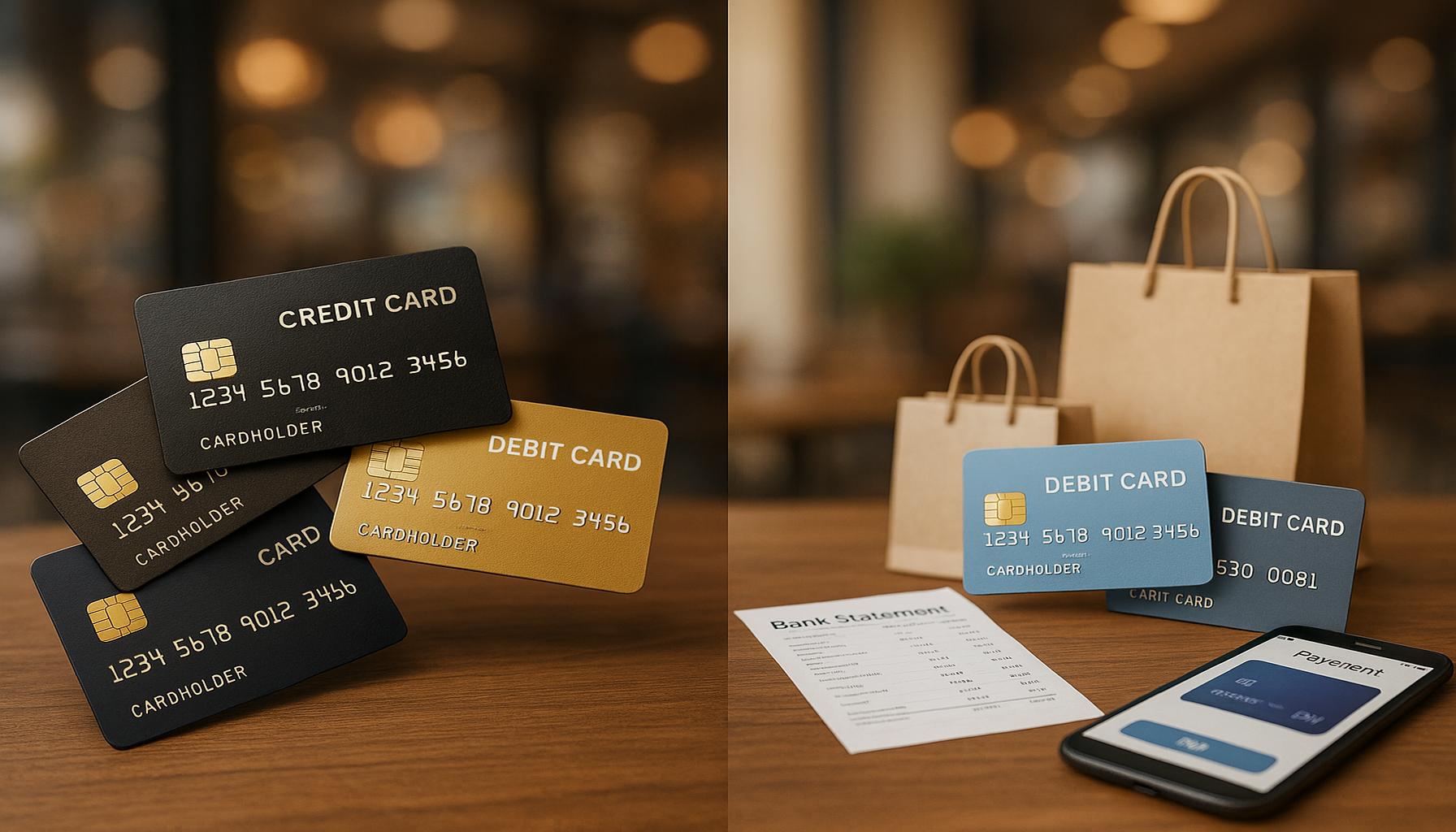
In a world where cash is gradually losing its grasp, digital payments have become the norm. Among the most popular forms of payment are credit cards and debit cards. Each has its unique advantages, appealing to different needs and spending habits. As consumers increasingly embrace these modern payment methods, understanding their intricacies can lead to better financial decisions.
Before you decide which payment option is right for you, it’s essential to understand the key features of both:
- Credit Cards: These cards allow you to borrow money up to a certain limit, providing you with the flexibility to make purchases even if your bank account balance is low. This can be particularly useful in emergency situations or for larger purchases.
- Debit Cards: In contrast, debit cards withdraw funds directly from your bank account, which promotes careful spending and helps you avoid the pitfalls of debt.
- Rewards and Cashback: Many credit cards come with attractive incentives such as points and cashback for each purchase. Programs like AIB’s ‘Rewards’ allow you to earn points that can be redeemed for travel, merchandise, or statement credits, making them particularly appealing to frequent shoppers.
- Fees: Credit cards may come with annual fees, interest charges, and foreign transaction fees. Debit cards, on the other hand, typically have lower fees, making them a budget-friendly choice for everyday transactions.
- Impact on Credit Score: Responsible use of credit cards can help build your credit history, which is crucial for securing loans or mortgages in the future. Debit cards do not impact your credit score, so those looking to establish credit may find credit cards more beneficial.
For instance, in Ireland, young professionals increasingly opt for credit cards to take advantage of the rewards offered, such as those from Mastercard that provide discounts at various retailers. Meanwhile, students or individuals keen to manage their finances without falling into debt may prefer debit cards to ensure they only spend what they have in their accounts. Understanding these differences can empower you to make informed choices about your finances.
As you navigate the myriad of options available, consider your spending habits, financial goals, and whether you seek rewards or direct access to your funds. Your choice could not only affect your immediate purchasing power but also influence your long-term financial health. This overview will delve deeper into the specifics, helping you weigh the pros and cons of each option, and guide your decision-making in managing your personal finances effectively.
DISCOVER MORE: Click here to learn how to apply today
Weighing the Benefits and Drawbacks
When considering whether to use a credit card or a debit card, it’s vital to reflect on the benefits and drawbacks associated with each option. Understanding these can not only help you align your payment choices with your lifestyle but also play a crucial role in ensuring your financial security.
Credit Cards are often praised for their numerous advantages, particularly when it comes to financial flexibility. With a credit card, you can make purchases without having the full amount readily available in your bank account. This becomes especially beneficial when unexpected expenses arise or when you wish to make larger purchases. Credit cards can be a financial lifeline during emergencies, enabling you to manage cash flow without immediate payment. However, this flexibility carries a risk — if not managed carefully, it can lead to accumulating debt, which often comes with high-interest rates.
- Credit cards often offer additional protection against fraud. In the unfortunate event of fraud or unauthorized transactions, many credit card companies provide zero liability policies that shield consumers from financial loss. This gives cardholders peace of mind that their finances are safeguarded.
- They often feature travel benefits, such as travel insurance, car rental coverage, and airport lounge access, making them a popular choice for frequent travelers.
- Moreover, credit cards typically come with promotional offers, including 0% interest on purchases for an introductory period, which can ease the burden of expensive buys.
On the flip side, debit cards offer a different set of advantages that attract many consumers, particularly those looking for a straightforward way to manage their spending. Since debit cards link directly to your bank account, you can only spend what you have, thereby minimizing the risk of falling into debt — an appealing feature for those looking to maintain tighter control over their finances. This makes debit cards particularly popular among students and young professionals in Ireland, who may require a more disciplined approach to spending.
- With debit cards, there are generally fewer fees. Unlike credit cards, which often come with annual fees, interest rates, and various charges, debit card users typically enjoy lower costs. This can make them a better choice for everyday transactions.
- Another benefit is the instant access to funds. When making a purchase, the money is deducted from your account immediately, promoting a sense of accountability.
- Moreover, debit cards can help avoid the pitfalls of overspending, making them an effective tool for those looking to develop better budgeting habits.
Ultimately, the choice between credit cards and debit cards boils down to your financial goals and spending habits. If you’re someone who can manage debt responsibly while seeking rewards and benefits, a credit card may serve you well. Alternatively, if your priority is to maintain control over your finances, a debit card might be the most prudent option. Regardless of which you choose, understanding the advantages and disadvantages will empower you to make informed decisions tailored to your financial situation.
LEARN MORE: Click here to discover the importance of business insurance
Understanding Usage Patterns and Preferences
To make an informed decision about which card best suits your needs, it’s important to consider how each card aligns with your lifestyle and usage patterns. While both credit cards and debit cards can coexist in a consumer’s wallet, their ideal scenarios for use often differ.
Credit Card Utilization
Credit cards can be particularly advantageous for those who travel frequently. Not only do many credit cards offer travel-related perks such as cashback on travel expenses, but they also provide rewards points that can be accrued and redeemed for flights, hotel stays, and other travel experiences. According to a survey by the Central Bank of Ireland, approximately 60% of Irish consumers use credit cards to earn rewards, making them a popular choice for savvy travelers.
Additionally, some credit cards facilitate international purchases. When traveling abroad, this can be a significant advantage, as many debit cards impose foreign transaction fees, while certain credit cards waive these fees altogether. This makes credit cards not only a convenience but also a money-saving tool while navigating different currencies.
Choosing Between Everyday Transactions
On the other hand, debit cards are often favored for day-to-day transactions. Their straightforward nature encourages mindful spending and helps users adhere to their budgets. With the ability to track expenses in real-time, users gain immediate visibility into their financial situation. This feature resonates particularly well with consumers who prefer a “no frills” financial approach.
For those who prioritize avoiding debt, debit cards offer a natural deterrent against overspending. Unlike their credit card counterparts, debit cards pull directly from available funds, which can help users maintain a balanced budget. This is especially appealing to students and young professionals in Ireland who may be building their financial independence and are keen on avoiding the complexities associated with credit debt.
Safety and Security Concerns
Another vital consideration is the safety and security of each payment method. While both credit and debit cards are generally secure, credit cards tend to provide more robust fraud protection. In cases of theft or unauthorized transactions, credit card holders are less likely to bear the financial burden, as most providers offer strong consumer protection policies. In contrast, debit card users may find it more challenging to recover lost funds, especially if the transaction was made before they reported the theft.
Moreover, certain consumer protection laws give credit cards a leg up when it comes to disputing transactions. For example, in Ireland, credit card purchases are protected under Section 75 of the Consumer Credit Act, allowing consumers to claim refunds from their provider for unsatisfactory products or services. This level of security may encourage more extensive use of credit cards for larger purchases.
Interest Rates and Financing Options
The financial landscape isn’t without its potential pitfalls. Credit cards often come with varying interest rates, which can lead to costly debts if the full balance isn’t paid off on time. It’s essential for potential users to evaluate financial models and understand how interest accrues. A recent report noted that Irish households have, on average, €4,000 in credit card debt, demonstrating the importance of responsible credit card management.
In contrast, debit cards eliminate any risk of accruing interest, which makes them more predictable from a financial planning standpoint. For individuals apprehensive about the implications of debt, debit cards serve as a practical and low-risk alternative.
Ultimately, the choice between credit and debit cards is influenced by various factors, including individual financial circumstances, spending habits, and risk tolerance. Understanding these nuances allows consumers to make educated decisions that align with their financial goals.
DISCOVER MORE: Click here to learn how to apply effortlessly
Final Thoughts on Credit Cards vs. Debit Cards
In the evolving landscape of personal finance, the choice between credit cards and debit cards presents a critical decision for consumers in Ireland. Each card offers unique advantages tailored to different spending habits and financial situations. For those who are disciplined and seek to avoid debt, debit cards stand out for their simplicity and budget-friendly nature. They encourage mindful spending by allowing users to only spend what they have, thus avoiding the pitfalls of overdraft or credit debt.
Conversely, credit cards provide a suite of benefits that can enhance one’s financial journey, especially for frequent travelers or those looking to build credit history. The potential for rewards, travel perks, and superior fraud protection makes credit cards appealing to a significant number of consumers. As highlighted, approximately 60% of Irish consumers prioritize rewards when considering their credit options, showcasing the card’s allure in maximizing financial potential.
Moreover, understanding the implications of interest rates and consumer protection laws can guide users in selecting the right card for their needs. With Irish households facing an average credit card debt of €4,000, it’s crucial to navigate these financial instruments wisely.
Ultimately, the best approach may involve utilizing both credit and debit cards strategically, ensuring that the benefits of each align with personal financial goals. By examining spending patterns, usage scenarios, and encompassing financial education, consumers can make informed choices that not only support their day-to-day expenses but also pave the way for future financial success.