

Financial Education for Children: Cultivating a Mindset of Conscious Money from an Early Age
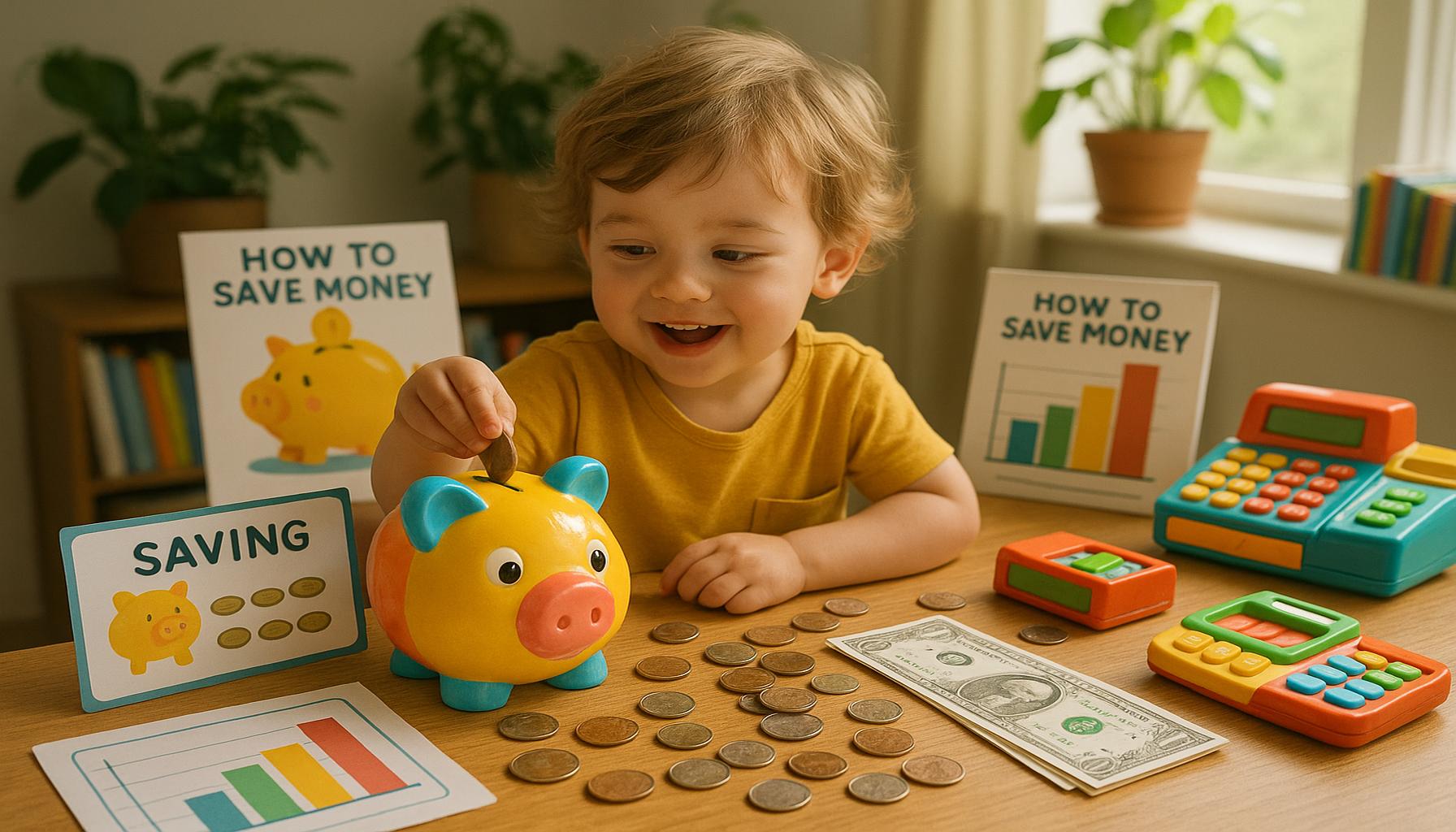
The Importance of Fostering Early Financial Knowledge
Financial literacy is an essential life skill that transcends age; it is particularly vital for children. Starting their financial education at a young age can create a lasting foundation that influences their behaviour and habits as adults. When children learn about finance, they not only grasp the concept of money but also internalize values that will guide them in making sound economic decisions throughout life.
Consider the numerous benefits of integrating financial education into children’s lives:
- Enhanced Decision Making: Children equipped with financial knowledge can make informed decisions about spending, saving, and, importantly, investing. For instance, when faced with a choice between purchasing a toy immediately or saving for a more expensive game console, they are more likely to weigh the options thoughtfully and choose to save.
- Understanding Value: Learning the fundamental principles of earning and spending helps children appreciate the true value of money. In an age of instant gratification, understanding that money doesn’t grow on trees can motivate them to manage their allowances better and understand the trade-offs that come with different spending decisions.
- Encouraging Goal Setting: Teaching children about finances can spur them to set and achieve financial goals, whether it’s saving for a new bicycle or planning for university. This goal-setting process fosters discipline and patience, critical elements for financial success.
In the context of Ireland, where the cost of living is on the rise, financial competence is more crucial than ever. With soaring housing prices and fluctuating retail costs, today’s youth must navigate a landscape fraught with financial challenges. They require the knowledge and skills to manage their finances effectively to prepare for these complexities.
Parents play a pivotal role in this financial education journey. Activities such as setting up a savings account, involving children in planning a family budget, or using practical tools like budgeting apps can be both educational and engaging. Websites such as Money Advice Centre provide resources tailored to young audiences, offering insights into saving and financial planning.
Ultimately, investing time in a child’s financial education today can yield considerable benefits in the future. By nurturing a proactive relationship with money, parents empower their children to develop secure financial habits. These informed young individuals will be capable of shaping how future generations view, manage, and interact with their finances, leading to a more financially literate society.
DIVE DEEPER: Click here to learn more
Building Strong Financial Foundations
To truly foster a culture of financial awareness among children, parents must engage in meaningful conversations about money. It is essential to create an environment where discussions around finances are not shrouded in mystery or anxiety. Rather, by normalizing financial conversations, parents can demystify money management and lay the groundwork for healthy financial habits. This proactive approach encourages children to view money as a tool that, when used responsibly, can enhance their lives.
One effective way to introduce financial concepts is through everyday activities. Here are some practical strategies parents can implement:
- Use Real-Life Scenarios: From shopping trips to planning a family vacation, every moment provides an opportunity for financial discussions. When shopping, explain the difference between needs and wants, helping children understand the rationale behind spending decisions.
- Introduce Counting and Basic Math: At a young age, children can learn to count coins and understand basic transactions. Playing shopkeeper at home allows kids to grasp the concept of pricing and transactions in a fun and interactive way.
- Leverage Technology: In a digital age, using apps designed for money management can engage children and spark their interest in finance. Tools like online piggy banks or budgeting apps can turn learning into an enjoyable experience.
- Set Savings Challenges: Create fun savings challenges where children can compete to save a certain amount within a set timeframe. This not only encourages savings but also instills a sense of accomplishment when goals are reached.
The significance of these practices extends beyond mere financial knowledge; they contribute to building a resilient mindset. Children learn that financial skills are not static; they require continuous learning and adaptation, particularly in today’s fast-paced economy. According to a report by the Central Bank of Ireland, over 60% of adults exhibit a strong interest in improving their financial literacy, highlighting the necessity of instilling this interest in children from an early age.
Furthermore, the implications of financial education reach into other realms, promoting critical thinking and problem-solving skills. As children navigate financial choices, they cultivate analytical abilities that can be beneficial in all areas of life. This comprehensive skill set aligns well with the increasing demand for financially savvy adults in a world significantly impacted by economic fluctuations and changes in consumer behaviour.
Ultimately, the goal of financial education for children is to arm them with the tools they need to thrive financially in the future. With ongoing discussions, age-appropriate lessons, and engaging activities, parents can play a pivotal role in guiding their children toward a secure financial future. As these children grow into adults, their relationship with money will be shaped by a strong understanding of its value, leading to more informed, conscious decisions throughout their lives.
DISCOVER MORE: Click here to learn how to apply
Encouraging Responsible Spending and Saving
While instilling the value of saving is crucial, teaching children the principles of responsible spending is equally important. Developing a balanced relationship with money begins when children understand the concept of spending wisely. This understanding will ultimately guide them in making informed choices throughout their lives.
One innovative approach is to introduce the concept of budgeting through simple weekly or monthly allowances. By allocating a set amount for spending, children learn to prioritize their desires and make decisions on how best to utilize their funds. Encouraging them to create a list of items they wish to buy, helps cultivate planning skills and patience—a crucial trait in an age where instant gratification is commonplace.
Moreover, parents can engage children in discussions about the importance of opportunity cost. When children want to purchase a toy, discussing what they might need to forego—such as saving for a more significant item or an experience—teaches them to weigh their options. This practice fosters critical thinking and reflects real-world financial decisions that require analysis and foresight.
Utilizing Games and Interactive Learning
Another engaging method to embed financial literacy is through games that simulate real-world financial scenarios. Board games like “Monopoly” or “The Game of Life” offer children a fun way to understand property ownership, investments, and financial planning. As they navigate through these games, children become familiar with concepts like assets, liabilities, and cash flow in an enjoyable context.
In addition to board games, online simulations and mobile applications can immerse children in virtual environments where they can practice budgeting and investing. For instance, platforms such as “Khan Academy” offer free courses tailored for younger audiences that encompass various financial topics. This combination of traditional and digital resources can reach children with different learning styles and interests, further enhancing their financial comprehension.
Imparting Values of Generosity and Philanthropy
As part of a holistic financial education, parents should also instill the values of generosity and philanthropy. Teaching children the importance of giving back can redefine their understanding of wealth. By introducing them to charitable organizations, parents can show that financial resources have the potential to create impact beyond personal gain. Engaging children in the act of donating a portion of their savings or allowance to a cause they are passionate about cultivates empathy and responsibility.
For instance, participating in community projects or fundraising events can demonstrate the tangible effects of financial contributions. Research indicates that children who are taught the importance of giving from a young age are more likely to continue charitable behaviors into adulthood. This understanding broadens their perspective, enabling them to connect financially with their communities and the world.
Finally, it’s vital for parents to embody the principles they wish to instill in their children. Children learn through observation, and seeing their parents practice mindful spending, budgeting, and generosity reinforces that these behaviors are valuable. By aligning actions with words, parents create a lasting impact on their children’s financial education.
DISCOVER MORE: Click here to learn how to leverage regional economic data
Empowering Future Generations through Financial Literacy
In conclusion, prioritizing financial education for children is not just a beneficial practice; it is essential for shaping responsible and conscious consumers in the future. As they navigate an increasingly complex financial landscape, understanding the fundamentals of money management will empower them to make informed decisions that can significantly impact their lives. By incorporating principles of saving, spending wisely, and budgeting, children can cultivate strong financial habits that lay the groundwork for their financial independence.
Utilizing innovative techniques such as interactive games and real-world simulations further enhances their learning experience, making finance not just a subject but an engaging and relatable aspect of life. These methods can demystify complex concepts, allowing children to grasp the essence of money from a young age. Additionally, emphasizing values of generosity and community engagement fosters a sense of social responsibility, enriching their understanding of wealth as a tool for both personal and communal benefit.
As parents and educators, our responsibility is to model these behaviors and guide the next generation toward a healthier relationship with money. Investing time in financial education today will yield invaluable returns in the future, leading to financially savvy adults who are equipped to face the opportunities and challenges that lie ahead. By creating an environment where financial literacy is celebrated and practiced, Ireland can nurture a more resilient, informed, and generous society. The journey towards financial competency begins now, and it is vital we embrace this opportunity with enthusiasm and determination.


