
Analysis of Fintech Growth and the Future of Banking Services in the USA
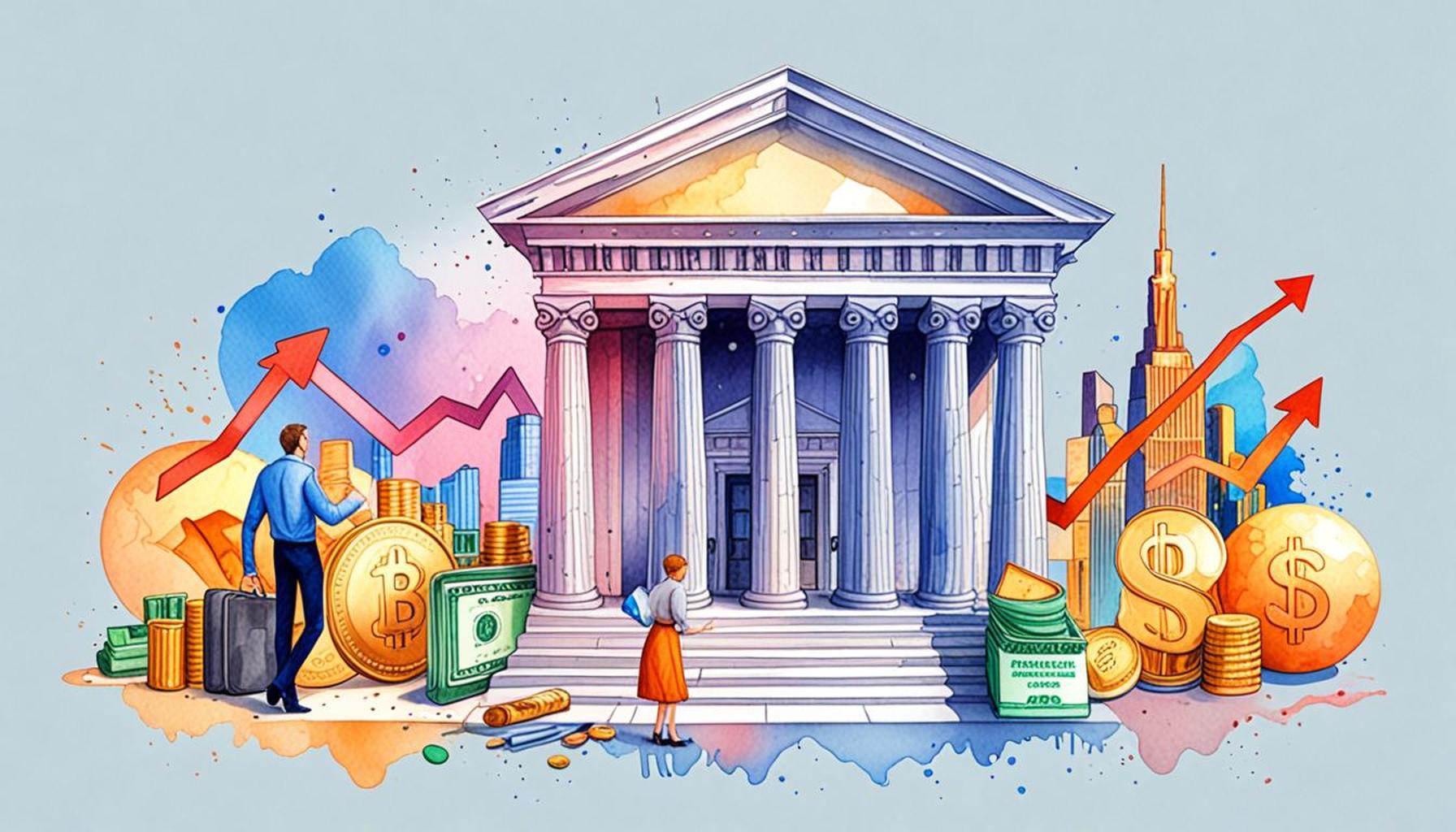
Understanding the Impact of Fintech on Banking in the USA
The financial landscape in the United States is witnessing significant transformation due to the rapid growth of fintech, a sector that integrates technology into financial services. This transformation is not only enhancing user experiences but also increasing accessibility to banking services across diverse demographics.
The key drivers of fintech growth can be summarized as follows:
- Innovation: Technologies like blockchain and artificial intelligence (AI) are revolutionizing the way transactions are conducted. For instance, blockchain technology ensures secure and transparent transactions, thereby reducing the risk of fraud. AI, on the other hand, is being employed by banks to analyze consumer behavior, predict trends, and improve the personalization of banking experiences.
- Accessibility: With the rise of online platforms, banking services have become more accessible for various demographic groups, including the unbanked population. Mobile apps now allow users to open accounts, apply for loans, or invest in stocks with just a few taps on their smartphones, thus democratizing access to financial resources.
- Cost-effectiveness: Fintech companies often operate with lower overhead than traditional banks, enabling them to offer reduced fees and faster services. For example, peer-to-peer lending platforms like LendingClub allow borrowers to secure loans with minimal fees compared to traditional lending institutions, attracting a broader customer base.
This dynamic environment presents both opportunities and challenges for traditional banks. In order to remain competitive, these institutions must take proactive measures, such as:
- Partnerships: Collaborating with fintech firms can greatly enhance the service offerings of traditional banks. For example, a bank could partner with a fintech company that specializes in mobile payments to expedite the introduction of contactless transactions, meeting customer demands for convenience.
- Customer-centric strategies: Understanding and addressing the needs of customers is crucial for retaining existing clients. Banks can implement personalized finance management tools to help customers manage their expenses and investments efficiently.
- Investment in technology: Updating infrastructure is essential for long-term success. This may involve adopting cloud-based solutions to improve data management and security, thus ensuring a more robust service delivery.
As fintech continues to expand and evolve in the USA, understanding its implications for banking services becomes increasingly important. This analysis will delve into growth patterns within the fintech sector and highlight key trends that are shaping the future of banking.
By staying informed and adapting to these trends, both consumers and financial institutions can better navigate the rapidly changing financial environment.
DISCOVER MORE: Click here to learn about the impact on financial markets
Trends Shaping Fintech Growth in the USA
The rapid growth of fintech in the USA is characterized by a number of significant trends that are reshaping banking services. Understanding these trends is crucial for both consumers and financial institutions looking to leverage technology for improved financial outcomes.
1. Digital Payments and Contactless Transactions
The rise of digital payments has been one of the most notable changes in the fintech landscape. Consumers are increasingly opting for contactless payment methods due to their convenience and speed. According to recent data, around 40% of consumers in the USA now prefer using mobile wallets, such as Apple Pay and Google Wallet, over traditional credit or debit cards.
To adapt to this trend, banks must:
- Enhance mobile banking applications: Ensure that the mobile banking app is user-friendly and supports digital wallet integration.
- Educate customers: Provide information on the benefits and security features of contactless payments to build consumer trust.
2. Blockchain Adoption
Blockchain technology is gaining traction beyond cryptocurrencies. Its ability to facilitate secure and transparent transactions can transform areas such as clearing and settlement. As organizations push for greater efficiency in financial transactions, banks that invest in blockchain can significantly reduce operational costs and enhance security.
Steps banks can take include:
- Pilot projects: Start small initiatives to test blockchain applications within remittances or cross-border transactions.
- Collaborate with tech firms: Partner with established blockchain companies to integrate their expertise and speed up the implementation process.
3. Personal Finance and Wealth Management Tools
Fintech is also revolutionizing personal finance management. Many fintech platforms are now offering enhanced analytics tools that help users track spending, save money, and invest wisely. These tools allow consumers to make informed financial decisions and automate savings.
To partake in this growth, banks should:
- Develop comprehensive financial management features: Integrate budgeting tools and investment features directly into banking apps.
- Leverage data analytics: Use consumer data to personalize financial advice and product offerings, catering to individual customer needs.
4. Regulatory Landscape and Compliance
The fintech sector is under increasing scrutiny from regulators as it grows. Compliance with regulations, such as the Bank Secrecy Act and various data protection laws, is essential for all fintech solutions. To navigate this complexity, financial institutions must adopt a proactive stance towards compliance.
Effective approaches include:
- Investing in compliance technology: Utilize regtech solutions that automate compliance monitoring and reporting processes.
- Engaging with regulators: Foster strong relationships with regulatory bodies to understand upcoming changes and adapt policies accordingly.
By being aware of these trends, financial institutions can make informed decisions that enhance customer satisfaction and drive innovation within their services. Remaining agile and responsive to these changes ensures banks are not just participants in the fintech revolution, but leaders in its evolution.
DISCOVER MORE: Click here to learn how to apply for the Ally Platinum Mastercard online
Future Innovations in Fintech and Their Impact on Banking Services
As fintech continues to evolve, several upcoming innovations hold the potential to further disrupt traditional banking services. Banks that stay ahead of the curve can leverage these innovations to enhance customer experience and streamline their operations.
1. Artificial Intelligence and Machine Learning
Artificial Intelligence (AI) and Machine Learning (ML) are at the forefront of the fintech revolution, offering banks new ways to enhance customer service and analyze vast amounts of data. These technologies can facilitate personalized banking experiences and improve decision-making processes.
Steps for banks to implement AI and ML include:
- Investing in AI-driven chatbots: Deploy chatbots for customer service to handle routine inquiries, providing 24/7 support and freeing up human resources for more complex issues.
- Utilizing predictive analytics: Analyze customer behavior to predict future trends and tailor products that meet their financial needs, optimizing marketing campaigns accordingly.
2. Open Banking and API Ecosystems
The concept of open banking is revolutionizing how financial services are delivered. By allowing third-party developers to access bank data through APIs (Application Programming Interfaces), banks can create a more competitive and interconnected financial ecosystem.
To adopt open banking, institutions should:
- Develop API capabilities: Invest in technology to build secure APIs that can seamlessly interface with fintech apps, fostering innovation in service delivery.
- Collaborate with fintech startups: Create partnerships with nimble fintech companies to develop new banking solutions that enhance customer experience and lead to increased market share.
3. Cybersecurity Measures
As fintech adoption rises, so does the threat of cybercrime. Continuous investment in cybersecurity is crucial for maintaining customer trust and compliance with regulatory standards. Banks need to protect sensitive data effectively.
Action items for banks to ensure robust cybersecurity include:
- Implementing multi-factor authentication: Require additional authentication measures to secure account access, greatly reducing the risk of unauthorized transactions.
- Conducting regular security audits: Engage third-party security firms to perform penetration testing and identify vulnerabilities within banking systems, ensuring timely updates and fixes.
4. Neobanks and Digital-Only Banking Models
The rise of neobanks—digital-only banks with no physical branches—is reshaping consumer expectations. These entities provide streamlined services with lower fees and enhanced user experiences.
To compete with neobanks, traditional banks should:
- Launch digital-only offerings: Create specific products that appeal to tech-savvy consumers looking for convenience and lower costs, such as high-interest savings accounts or app-based checking accounts.
- Enhance user experience: Focus on developing user-friendly interfaces and simplifying onboarding processes to attract and retain customers.
Embracing these futuristic innovations in fintech will enable banking services to remain relevant and competitive amidst rapid technological change. By prioritizing these strategies, financial institutions can improve operational efficiencies and better serve their diverse customer base.
DISCOVER MORE: Click here to dive deeper
Conclusion
As the analysis of fintech growth indicates, the future of banking services in the USA is poised for transformation. Financial institutions that embrace technological advancements will be better positioned to meet evolving consumer demands and fend off competition from agile fintech startups. Adopting artificial intelligence and machine learning will enhance customer interactions and precision in targeted offerings, aiding in customer retention and satisfaction.
The implementation of open banking and API ecosystems should be prioritized, as they facilitate innovation and collaboration between traditional banks and fintechs, creating a more interconnected financial landscape. This approach not only increases service versatility but also empowers consumers with more choices.
Furthermore, with the rising threats of cybersecurity risks, banks must invest heavily in protecting sensitive data to ensure customer trust and comply with regulations. This includes regular security audits and robust multi-factor authentication systems to safeguard against unauthorized access.
Finally, understanding the shift towards neobanks and digital-only banking models is essential. Traditional banks can remain competitive by launching digital-first offerings and refining user experiences tailored for a tech-savvy clientele.
In summary, the challenges posed by fintech growth also present numerous opportunities for traditional banking institutions. By taking proactive measures and integrating innovative strategies, banks can thrive in this dynamic environment and better serve the financial landscape of America.
Related posts:
How Companies Can Use Data for Strategic Decision-Making
How ETFs Work in the Finnish Financial Market
Impacts of Interest Rates on the Real Estate Sector and Home Purchases in the United States
How to Use SWOT Analysis to Create a Solid Business Plan
Analysis of cryptocurrencies as an investment alternative in times of economic volatility
Analysis of the American Real Estate Market: Challenges and Opportunities in Times of Uncertainty

Linda Carter is a writer and financial expert specializing in personal finance and financial planning. With extensive experience helping individuals achieve financial stability and make informed decisions, Linda shares her knowledge on the our platform. Her goal is to empower readers with practical advice and strategies for financial success.