
Analysis of tax policies and their effect on economic growth in the USA
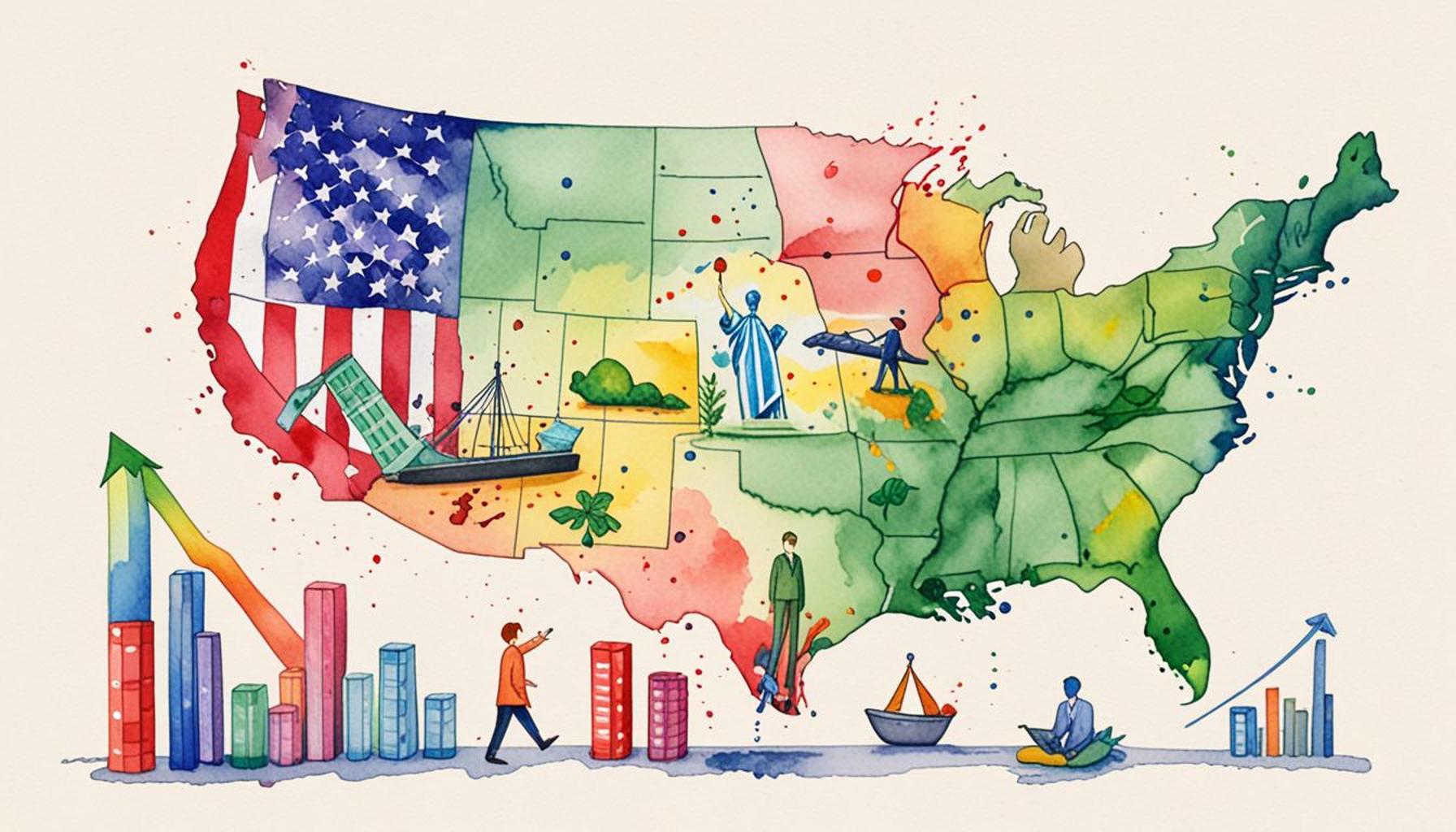
Understanding Tax Policies
Tax policies in the United States are not merely financial obligations; they are instrumental in shaping the nation’s economy. A clear understanding of these policies is essential for both policymakers who draft them and citizens who comply with them. The nuances of these policies can either stimulate or impede economic growth, making an in-depth analysis critical.
Several types of taxes significantly influence the economic framework. These include:
- Income Tax: Levied on individual earnings, this tax is progressive, meaning that higher income brackets pay a higher percentage.
- Corporate Tax: Applied to the profits of businesses, influencing reinvestments and overall business health.
- Property Tax: Used primarily for funding local services, this tax impacts home ownership.
- Sales Tax: Imposed on retail transactions, affecting consumer purchasing behavior directly.
Significance of Tax Rates
The tax rates employed can significantly influence economic behavior, particularly in the discussion of progressive versus flat tax rates. A progressive tax system can potentially reduce income inequality, as it taxes higher earners at a greater percentage. However, it may also discourage high-income individuals from striving for higher income levels. Conversely, a flat tax simplifies the tax code but might disproportionately burden low-income earners.
Incentives for Growth
Incentives like deductions and tax credits play a vital role in encouraging investment and spending. For instance, the mortgage interest deduction can stimulate home purchasing, while tax credits for renewable energy investments encourage businesses to adopt sustainable practices. Understanding these can lead to better financial choices for both individuals and businesses.
Tax Impact on Economic Factors
To grasp the effects of tax policies, one must consider their influence on several economic factors:
- Consumer Spending: Taxes directly impact disposable income, thus affecting spending levels. A reduction in income tax can boost consumer spending, leading to economic growth.
- Business Investment: Businesses often base expansion plans on the corporate tax environment. Favorable tax conditions may lead companies to invest more in infrastructure and hiring.
- Government Revenue: Tax policies determine the funding available for public services, infrastructure projects, and social programs, all crucial for community development.
This thorough overview of tax policies reveals their far-reaching implications on economic prosperity. By analyzing these components, actionable policies can be developed to maximize growth potential. Understanding tax structures not only benefits policymakers but also equips citizens with the knowledge to make informed financial decisions. Adopting practical approaches, such as advocacy for tax reforms and personal strategizing for tax efficiency, can stimulate economic success at both personal and national levels.
DIVE DEEPER: Click here to discover effective investment strategies
Factors Influencing Tax Policy Effectiveness
The effectiveness of tax policies in fostering economic growth is contingent upon several key factors. By understanding these elements, stakeholders can better navigate the complexities of the tax system and implement strategies that promote growth. Here are the primary factors to consider:
- Tax Structure: The organization of tax systems—progressive versus regressive—can determine how equitably the tax burden is distributed. A balanced tax structure encourages productivity and fosters economic health. It’s crucial to analyze whether the current structure effectively addresses the needs of various income groups.
- Tax Compliance: High rates of tax evasion can undermine potential government revenues, leading to budget deficits and insufficient funding for essential services. Promoting compliance through education and simplified filing processes can enhance revenue streams and improve the overall economic climate.
- Economic Conditions: The state of the economy at any point affects the impact of tax policies. For instance, during a recession, reducing taxes can stimulate consumer spending and business investments, while during a booming economy, increased taxes may be necessary to balance budgetary needs. Recognizing the economic cycle can inform timely adjustments in tax policy.
Evaluating Taxes’ Impact on Economic Indicators
Understanding the direct impact of tax policies on key economic indicators is crucial. Here are some essential indicators to assess:
- Gross Domestic Product (GDP): Tax policies can significantly influence GDP growth. By increasing disposable income through lower taxes, consumer spending rises, positively affecting GDP. It’s essential to analyze GDP trends in relation to major tax reforms.
- Employment Rates: Companies facing high corporate taxes may reduce hiring or investment, impacting overall employment. Evaluating how changes in tax rates impact job growth can reveal significant trends in economic health.
- Inflation Rates: Tax policies can also indirectly affect inflation by influencing spending and investment behaviors. Higher taxes can lead to decreased consumer spending, potentially lowering inflation rates, while tax cuts can stimulate demand and increase inflation. Monitoring these dynamics provides insights for policymakers.
By analyzing the relationship between tax policies and these economic indicators, stakeholders can identify effective policy changes to enhance growth. Additionally, it is vital for citizens to stay informed about how tax rates and structures affect their personal and financial decisions. This comprehension can lead to better tax strategies that maximize individual benefits while contributing to overall economic vitality. Engaging in discussions about potential tax reforms and advocating for policies that foster growth can lead to a healthier economy for all.
DON’T MISS OUT: Click here for a step-by-step guide on applying for the Goodyear credit card</a
The Role of Tax Incentives in Stimulating Growth
Tax incentives are a crucial component of tax policy that can spur economic growth. By providing targeted benefits to individuals and businesses, tax incentives can promote investment, innovation, and consumer spending. Here’s a breakdown of how these incentives function:
- Investment Tax Credits: These credits reduce the tax burden on businesses that invest in new capital equipment or facilities. By lowering the cost of investment, companies are more likely to expand operations, leading to job creation and increased GDP. Stakeholders should analyze current investment tax credit rates and their corresponding impacts on business expansion in key sectors.
- Research and Development (R&D) Tax Deductions: Encouraging innovation is vital for long-term economic growth. R&D tax deductions incentivize companies to invest in developing new products and technologies. By assessing the effectiveness of these deductions, policymakers can determine if they need to be adjusted to further stimulate innovation.
- Opportunity Zones: Established under the 2017 Tax Cuts and Jobs Act, Opportunity Zones aim to drive investment in low-income areas through tax relief. By evaluating the success of these zones in attracting investment and reducing poverty levels, government officials can refine the program for improved outcomes.
Assessing the Distribution of Tax Benefits
Understanding who benefits from tax policies is essential in evaluating their overall effectiveness. An equitable distribution of tax benefits can lead to sustainable economic growth. Consider these factors:
- Middle-Class Tax Relief: Tax cuts directed at middle-income earners generally produce significant increases in consumer spending, which accounts for approximately 70% of GDP in the United States. Policymakers must monitor the direct impact of tax changes on the middle class, ensuring that they are not disproportionately burdened by tax reforms.
- Corporate Tax Rates: Reducing corporate tax rates can encourage investment within the U.S. However, it is crucial to balance these reductions with the need for tax revenues that support public services. Studying cases of major corporations’ relocation decisions can highlight the necessity of competitive corporate tax rates without sacrificing essential funding for the public sector.
Exploring the Long-Term Effects of Tax Policies
Short-term tax cuts can provide immediate boosts to economic activity, but the long-term effects require careful analysis. Here are the priorities for evaluating these effects:
- Debt Implications: Tax cuts can lead to increased budget deficits, ultimately resulting in higher national debt. Stakeholders should consider the long-term sustainability of tax cuts and their potential impact on future economic stability.
- Fundamental Reforms: Major tax reforms, such as the shift to a consumption-based tax system, could have profound implications for economic growth. Examining pilot programs and alternative taxation models can yield insights on potential benefits and drawbacks.
By focusing on these factors, readers can grasp the interconnectedness of tax incentives, equity in tax distribution, and the long-term consequences of tax policies. This understanding is essential in advocating for effective policy changes that drive sustained economic growth while maintaining fiscal responsibility. Adjustments in tax policy must be strategically planned to address both immediate and future economic needs. Active participation in discussions surrounding tax changes is encouraged for optimal outcomes.
DISCOVER MORE: Click here to enhance your financial strategy
Conclusion
In summary, the analysis of tax policies and their effect on economic growth in the United States underscores the importance of strategic fiscal measures. Tax incentives play a pivotal role in driving investment, fostering innovation, and stimulating consumer spending, which are essential components of a thriving economy. For example, the Research & Experimentation (R&E) tax credit encourages businesses to invest in research and development, promoting technological advancements that can lead to job creation and increased productivity. However, understanding the distribution of tax benefits is equally critical. Fair and targeted tax relief—such as credits designed for middle-income families—can significantly increase their disposable income, thus enhancing overall economic activity.
Moreover, evaluating the long-term effects of tax policies on national debt and potential reforms is crucial. While short-term tax cuts may stimulate spending and growth, they can lead to unsustainable fiscal challenges in the long run. For instance, the Tax Cuts and Jobs Act of 2017 resulted in lower corporate tax rates, which spurred immediate investment but also contributed to rising debt levels. Policymakers must strike a balance between providing immediate economic boosts and ensuring fiscal responsibility for future generations.
Going forward, it is vital for stakeholders—ranging from government officials to business leaders—to engage in thorough assessments of existing tax policies to determine their efficacy. This can include conducting cost-benefit analyses and public consultations to gather feedback from the affected communities. Implementing adjustments guided by data and defined growth goals will be key to promoting not only short-term gains but also sustainable economic health. Regularly reviewing tax expenditures and closing loopholes can redirect funds to critical areas such as education and infrastructure, yielding longer-term benefits for society.
Embracing a proactive approach to tax reform will facilitate a more robust economic framework that benefits all Americans while positioning the United States for long-term prosperity. Adopting measures such as implementing tiered tax brackets or consistently adjusting taxation based on inflation can create a fair system that adapts to economic realities. By focusing on such actionable steps, stakeholders can help ensure continued growth and stability in the American economy.
Related posts:
Emerging Trends in the Stock Market: What Investors Should Watch for in 2024
Analysis of the American Real Estate Market: Challenges and Opportunities in Times of Uncertainty
The Impact of Inflation on Americans' Investment Decisions
The Influence of Consumer Expectations on Stock Market Volatility
The impact of the global economy on Finnish financial markets
The Impact of Exchange Rates on International Trade and Business Planning

Linda Carter is a writer and financial expert specializing in personal finance and financial planning. With extensive experience helping individuals achieve financial stability and make informed decisions, Linda shares her knowledge on the our platform. Her goal is to empower readers with practical advice and strategies for financial success.