
Future Trends of Credit Cards: Technological Innovations and Security
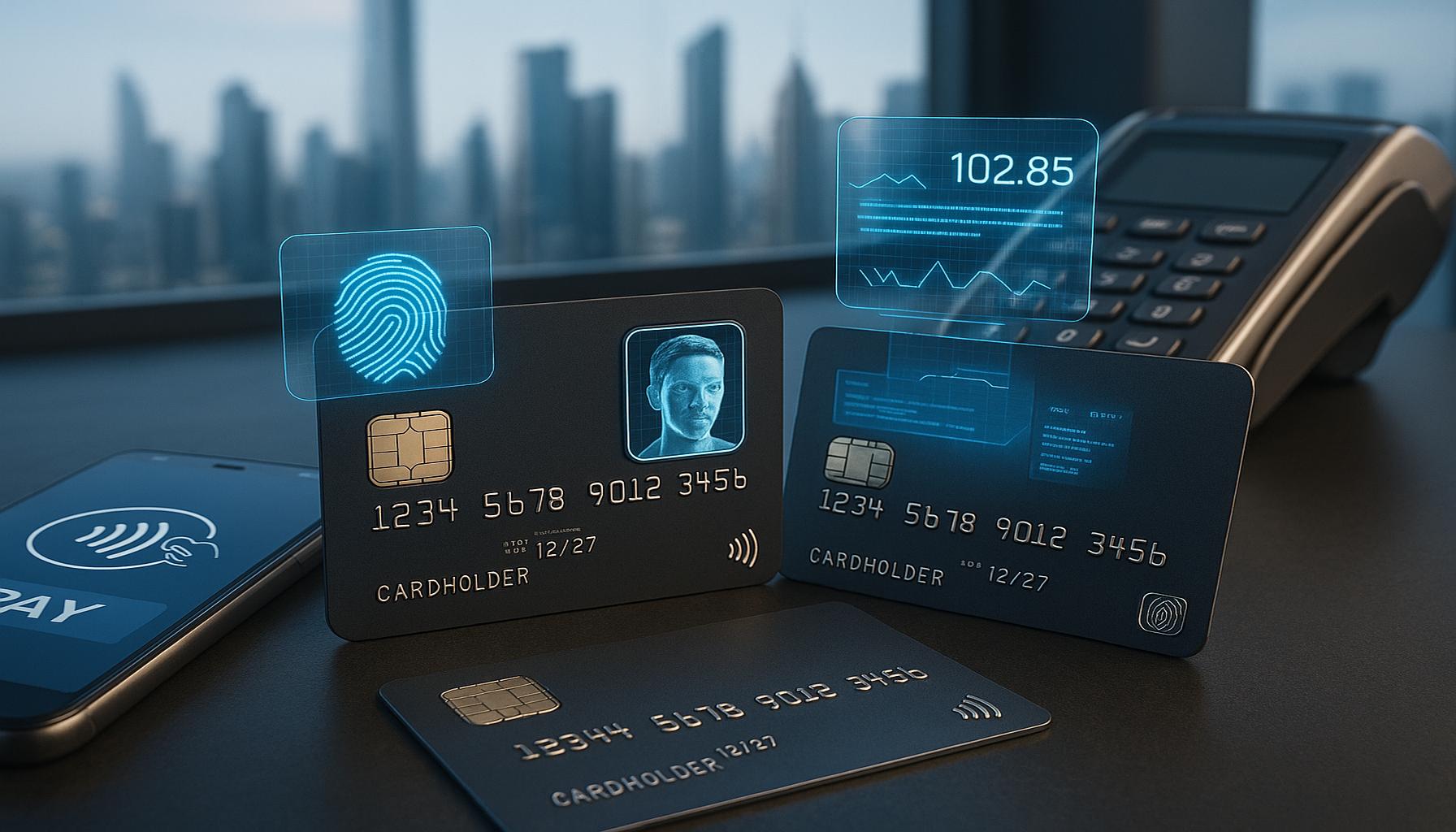
The Transformation of Credit Cards in the Digital Age
With the rapid advancements in technology, the credit card landscape is experiencing an unprecedented transformation that not only enhances the user experience but also effectively addresses pressing concerns related to security and privacy. As consumers demand more convenience and safety in their financial transactions, financial institutions are rising to the occasion, making credit cards not just tools for transactions but modern financial instruments.
Contactless Payments: Convenience Redefined
One of the most significant innovations in the credit card industry is the advent of contactless payments. Utilizing NFC (Near Field Communication) technology, these payment methods allow users to simply tap their card on a reading device to complete a transaction. This frictionless process has become especially popular in the United States with retailers increasingly adopting technology that facilitates contactless payment systems. For instance, chains like Starbucks and McDonald’s have swiftly integrated this feature, making daily purchases faster and more efficient.
Mobile Wallets: An Integrated Approach
Mobile wallets such as Apple Pay and Google Wallet have further revolutionized how we manage money. By linking credit cards to mobile wallets, users can make transactions directly from their smartphones, eliminating the need to carry physical cards. This integration is particularly advantageous for consumers who prioritize convenience and speed during checkout. Furthermore, mobile wallets often offer additional services such as loyalty programs and transaction tracking, providing a holistic view of spending habits.
Enhanced Security Measures
As technological advancements continue, concerns around fraud and cyber threats become increasingly relevant. Financial institutions are thus adopting biometric verification methods like fingerprint recognition and facial scanning, which act as robust safeguards. A recent survey indicated that a significant percentage of consumers feel safer using biometric features compared to traditional PINs and passwords. This surge in security measures not only reassures consumers but also fosters greater trust in digital transactions.
In this transformative climate, understanding these trends is essential for anyone navigating today’s financial landscape. With the integration of improved security protocols and innovative payment options, the future of credit cards is on a trajectory towards providing smarter financial management solutions. For those interested in staying ahead in the financial game, keeping abreast of these developments can unlock new opportunities for better financial well-being.
As we look forward, the evolution of credit cards promises not only to streamline consumer experiences but also to enhance security. This dual focus on usability and safety is a pivotal aspect of the ongoing transformation in financial technology, indicating a future where credit cards are more than just plastic—they are essential tools of modern finance.
DISCOVER MORE: Click here to get the step-by-step guide
Reimagining User Experience through Technology
The landscape of credit cards is significantly evolving, driven by not just consumer needs but also technological breakthroughs that redefine user experience. As financial behaviors shift in tandem with technological advancements, the way consumers interact with their credit cards is set to undergo radical change. This transformation is evident in several emerging trends, each of which promises to not only simplify spending but also enhance security for users.
Artificial Intelligence in Fraud Detection
One of the most groundbreaking advancements in the credit card industry is the utilization of artificial intelligence (AI)</strong) in fraud detection. Credit card companies are increasingly leveraging machine learning algorithms to analyze transaction patterns in real-time. This technology can assist in identifying unusual activity that deviates from a user's normal spending behaviors. For instance, AI systems can detect a sudden spike in purchases from a distant location and promptly alert the account holder or place a temporary hold on the card to prevent unauthorized use. A recent industry report revealed that AI-driven systems have reduced fraud rates by as much as 30%, a promising statistic that illustrates the tangible benefits of integrating advanced technology into traditional financial systems.
Blockchain Technology: A New Frontier
As the world continues to embrace the digital age, blockchain technology is emerging as a potential game-changer in the realm of credit cards. By utilizing decentralized ledgers, blockchain can enhance transparency and security, significantly reducing the risk of data breaches. This technology not only safeguards cardholder data during transactions but also facilitates secure and efficient cross-border payments, making it easier for international transactions without exorbitant fees. The growing interest in blockchain applications in finance suggests that it could play a pivotal role in future credit card innovations.
Smart Credit Cards: Transforming the Physical Card
Another exciting trend is the development of smart credit cards equipped with various technological enhancements. These cards hold features such as dynamic CVVs that change with each transaction, which can dramatically decrease the risk of fraud. Moreover, some smart credit cards are integrating additional functionalities, such as built-in biometric sensors that allow users to verify their identity through a fingerprint or retinal scan directly on the card. This not only simplifies verification but also adds an extra layer of security in an age where card-not-present fraud is on the rise.
- Artificial Intelligence: Real-time monitoring for fraud prevention.
- Blockchain Technology: Enhanced security and transparency in transactions.
- Smart Credit Cards: Dynamic security features that protect cardholders.
With these emerging technologies, the credit card sector is rapidly moving towards a future where transactions are more secure, efficient, and user-friendly. These innovations reflect a broader trend towards a digital-first economy, and consumers can expect advancements that cater not only to their spending habits but also to their security concerns. As the credit card industry continues to innovate, consumers and businesses alike must remain informed to fully take advantage of these advancements.
DISCOVER: Click here to learn how to apply successfully
The Rise of Digital Wallets and Contactless Payments
As technology continues to advance, consumer preferences are rapidly shifting toward digital wallets and contactless payment methods. The convenience these options offer has made them increasingly popular among consumers, particularly in a post-pandemic world where hygiene and speed in transactions have become paramount. Digital wallets, such as Apple Pay and Google Pay, enable users to store their credit and debit card information securely on their smartphones, streamlining the payment process and allowing for quicker checkouts. As of 2023, reports indicate that over 75% of U.S. consumers have adopted some form of digital payment, illustrating the rapid transition away from traditional payment methods.
Tokenization: Enhancing Security in Transactions
Tokenization is a significant innovation in the realm of digital payments, designed specifically to enhance security. This technology replaces sensitive card information, such as the 16-digit card number, with a unique identifying token during transactions. When a consumer makes a purchase, their actual card details are not shared with the merchant; instead, the token is used, rendering stolen data nearly useless. Tokenization is gaining traction not only in digital wallets but also with traditional credit card issuers looking to bolster their security measures. By 2024, it is estimated that more than 50% of credit card transactions will utilize tokenization, marking a crucial shift towards safeguarding consumer data in an environment increasingly rife with cyber threats.
Integration of Augmented Reality (AR)
In another innovative twist, the integration of augmented reality (AR) into credit card usage is on the horizon. AR has the potential to revolutionize the shopping experience, allowing customers to visualize products before making purchases. Imagine scanning a product in-store with your smartphone and viewing price comparisons, credit card rewards, and even other consumers’ feedback overlayed on the screen. Retailers and financial institutions are exploring partnerships to create immersive shopping environments where AR meets financial transactions. This trend not only enhances user engagement but also cultivates informed spending, proving beneficial for consumers and retailers alike.
Personalized Financial Management through Data Analytics
The future of credit cards will also see a surge in the use of data analytics to offer personalized financial insights. Credit card companies are amassing vast amounts of consumer transaction data, which can be leveraged to provide tailored recommendations. For example, consumers could receive notifications about spending limits, opportunities to elevate their credit scores, or tips on managing their finances more effectively. Enhanced by AI, these analytics can take into account individual spending habits and goals, creating a customized experience that extends with additional financial services. Current projections show that over 60% of financial institutions expect to utilize advanced data analytics to help consumers navigate their finances in the coming years.
- Digital Wallets: A growing preference for faster, contactless payments.
- Tokenization: Protecting sensitive data during transactions.
- Augmented Reality: Enhancing the shopping experience with innovative technology.
- Data Analytics: Personalizing financial insights for better consumer management.
The convergence of these technological innovations signals a shift not only in the functionality of credit cards but also in their role in consumers’ daily lives. As these trends unfold, they present both challenges and opportunities for financial institutions to enhance the levels of service they provide and adapt to ever-changing consumer expectations.
DIVE DEEPER: Click here for more financial management strategies
Conclusion
The evolution of credit cards is poised to transform significantly in the coming years, driven by the emergence of cutting-edge technology and an increasing demand for enhanced security measures. As we move towards a more digital future, the rapid adoption of digital wallets and contactless payments illustrates the changing landscape of consumer behavior—where speed and convenience reign supreme. Coupled with the robust security features offered by tokenization, consumers can participate in financial transactions with greater peace of mind, knowing their sensitive data is protected from potential threats.
Furthermore, the integration of augmented reality into shopping experiences has the potential to redefine retail interactions, combining practical financial tools with immersive technology that enhances informed purchasing decisions. The growth of data analytics will enable financial institutions not only to understand consumer behavior better but also to tailor services that meet individual needs, improving financial health for many Americans.
As these trends converge, they represent an opportunity for credit card companies to not only retain competitiveness but also to build deeper relationships with customers by delivering bespoke solutions that resonate with their financial goals. The future of credit cards is not just about payments; it is about offering holistic financial experiences that empower consumers in their daily lives. By embracing these innovations, both consumers and financial institutions can anticipate a world where convenience, security, and personalized services are at the forefront of the financial conversation.
Related posts:
How to Choose the Ideal Credit Card for Your Financial Needs
Credit Cards for Travel: How to Maximize Points and Benefits on International Trips
Strategies to Manage Credit Card Debt and Avoid High Interest
How to Apply for the Ally Platinum Mastercard Credit Card Online
How Credit Cards Can Help Improve Your Credit Score
Strategies to Avoid Credit Card Debt and Maximize Benefits

Linda Carter is a writer and financial expert specializing in personal finance and financial planning. With extensive experience helping individuals achieve financial stability and make informed decisions, Linda shares her knowledge on the our platform. Her goal is to empower readers with practical advice and strategies for financial success.