
How Credit Cards Can Help Improve Your Credit Score
Navigating the Power of Credit Cards
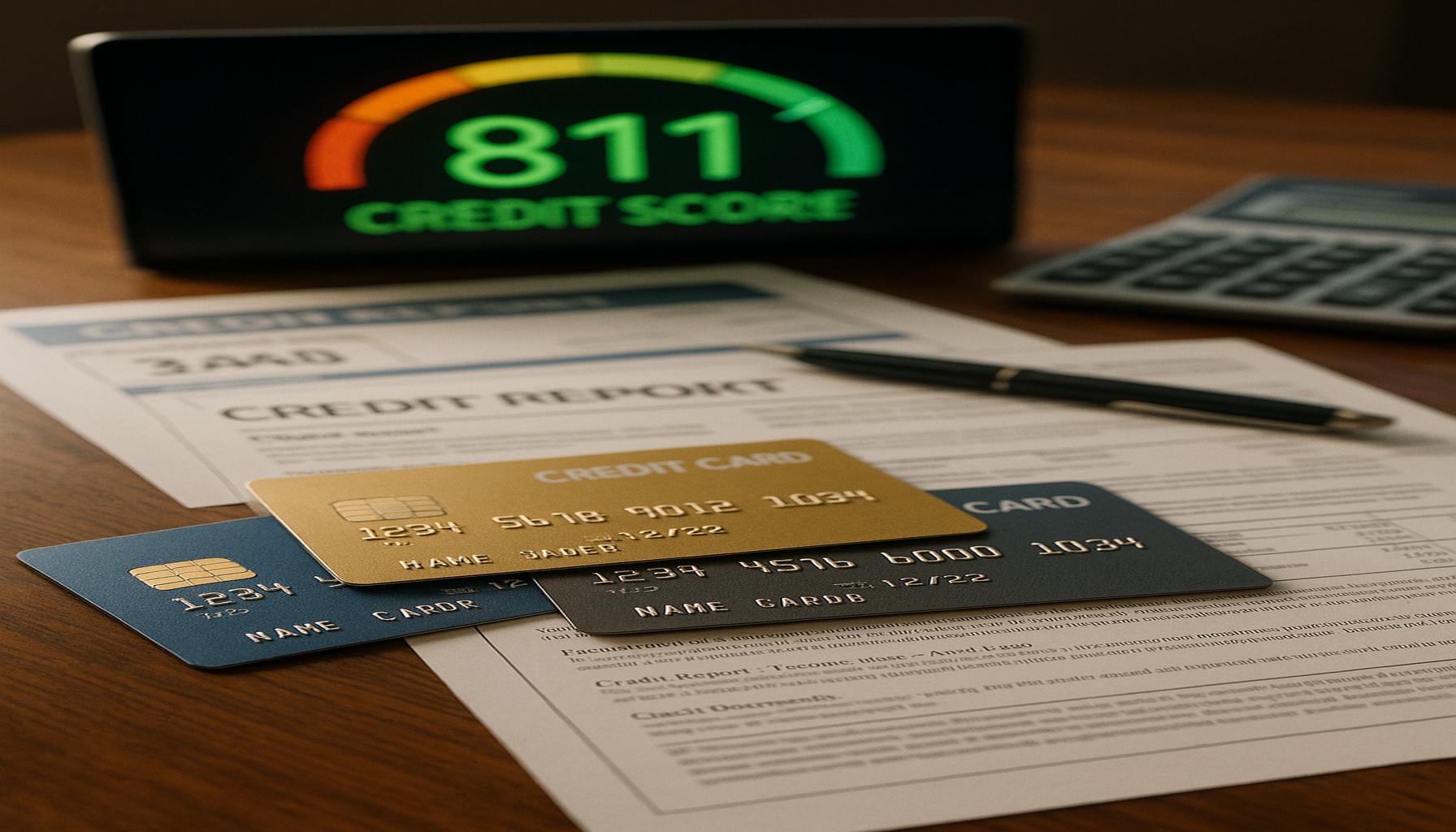
In today’s financial landscape, credit cards can serve as a vital instrument for managing personal finances. While they allow users to make purchases conveniently and enjoy various rewards, their impact on your credit score is especially significant. When wielded responsibly, credit cards can be a powerful ally in building and maintaining a healthy credit profile.
Here are some key ways credit cards can enhance your credit score:
- Payment History: This is arguably the most crucial component of your credit score, accounting for about 35% of your overall rating. Consistently making payments on time demonstrates to lenders that you are responsible and reliable. For instance, if you have a credit card bill of $100 due monthly and you pay it before the deadline every time, this positive behavior will be reflected in your credit history, significantly boosting your score over time.
- Credit Utilization: Your credit utilization ratio, which compares your current credit card balances to your total credit limits, should ideally be below 30%. For example, if your total credit limit across all credit cards is $5,000, aim to keep your balances below $1,500. A lower utilization ratio signals to creditors that you aren’t overly reliant on credit, which enhances your creditworthiness.
- Credit Mix: Credit scoring models favor a diverse mix of credit accounts. This includes revolving credit accounts like credit cards, as well as installment loans such as car loans or mortgages. By having a variety of credit types, you signal to lenders that you can handle multiple forms of credit responsibly, which can positively affect your score.
- Length of Credit History: The age of your credit accounts factors into your credit score as well. A longer credit history, demonstrating a consistent pattern of responsible use, can boost your score. If you have a credit card you’ve held for several years and have managed well, it can be beneficial in establishing your creditworthiness.
Understanding these key factors is essential for effectively managing your credit cards. Not only do they provide flexibility in spending, but they also offer strategic opportunities to enhance your credit score. As you navigate the complexities of credit, consider how your credit cards fit into your broader financial strategy. Establishing a balance between spending and responsible credit use is crucial for your financial health and safeguarding a prosperous financial future.
As you continue your exploration of credit and finances, investigating tools such as credit monitoring services can provide further insights into how your credit behavior is perceived. This proactive approach can empower you to make informed decisions, ensuring your credit remains an asset rather than a liability.
DISCOVER MORE: Click here to learn about the best sectors to invest in Finland in 2025
Unlocking the Benefits of Credit Card Usage
Understanding how credit cards impact your credit score is essential for anyone looking to strengthen their financial standing. With the right practices, credit cards can significantly contribute to a higher credit score, making you more appealing to lenders when it comes time to secure loans or mortgages. The following components often intertwine to create a robust credit profile.
1. Establishing a Payment Routine: The importance of a solid payment history cannot be overstated. According to FICO, the leading credit scoring model, on-time payments contribute to nearly 35% of your score. This means that every time you make a timely payment, you are actively enhancing your credit profile. Consider setting up automatic payments or reminders to help ensure you never miss a due date. This way, not only will you avoid late fees, but you’ll also protect your credit score. A consistent track record of timely payments indicates to creditors that you can be trusted to repay debts, which is foundational for building a healthy credit score.
2. Managing Your Credit Utilization: Another crucial aspect of your credit score is your credit utilization ratio. This ratio measures the amount of credit you’re using compared to your total credit limit. It is generally advised to keep this ratio below 30% to maintain a favorable score. For instance, if your credit cards collectively have a limit of $10,000, you should aim to keep your total balances under $3,000. By effectively managing your credit utilization, you not only demonstrate discipline in spending but also show lenders that you are not heavily reliant on credit for your day-to-day expenses. Good habits could lead to increased credit limits over time, further improving your credit utilization ratio.
3. Diversifying Your Credit Portfolio: A diverse credit mix can positively influence your credit score. Having various types of credit—such as credit cards, auto loans, and mortgages—demonstrates your ability to manage multiple forms of debt. Credit scoring models typically reward consumers who can deal with different types of credit responsibly. Therefore, if you’re looking to enhance your creditworthiness, incorporating a credit card into a broader, well-managed credit landscape could be the right step. Be cautious, though; opening too many accounts at once may hurt your score due to hard inquiries.
4. The Importance of Length of Credit History: The duration of your credit accounts plays a significant role in determining your credit score. Longer credit histories reveal patterns of responsible credit usage, which can help boost your score. For example, keeping older accounts open—especially those that have no annual fees—can be beneficial. As the average age of your credit accounts increases, your credit profile appears more stable and trustworthy in the eyes of lenders, which could lead to better interest rates on future loans.
By incorporating these strategies into your credit card usage, you create a solid foundation for improving your credit score. Not only can credit cards make financial transactions more manageable, but they also pave the way to more significant financial opportunities. As you strategically navigate the paths of credit and finance, consider regular assessments of your credit thus far, keeping an eye on how every action can lead to your ultimate credit score improvement.
DISCOVER MORE: Click here for insights on competing with market giants
Maximizing the Potential of Credit Cards for Financial Growth
While establishing a strong credit profile through credit cards involves understanding several foundational concepts, there are additional strategies that can elevate your score even further. Embracing these practices can lead you to a more advantageous financial landscape.
5. Using New Credit Wisely: Opening a new credit card can be a double-edged sword; it comes with both opportunities and risks. When you apply for a new credit card, it can result in a hard inquiry on your credit report, which may temporarily lower your score. However, if managed correctly, this can be beneficial in the long run. New credit increases your available credit limit, thereby improving your credit utilization ratio. Remember to weigh this option carefully—instead of opening several accounts, consider only those that offer attractive rewards or suits your financial goals. Furthermore, if you qualify for cards with no annual fees, the likelihood of enhancing your credit score with minimal financial burden increases.
6. Taking Advantage of Rewards Programs: Many credit cards come with rewards programs that allow you to earn points, cash back, or travel benefits on your purchases. While utilizing these rewards, you should remain vigilant about your spending habits. A study from the Consumer Financial Protection Bureau indicated that consumers who participated in reward programs often increased their overall card usage. This can provide a valuable opportunity to enhance your credit utilization positively—if you ensure that payments are made in full each month to avoid interest charges. Learning how to maximize these programs intelligently can not only lead to tangible benefits but create a more favorable credit profile.
7. Monitoring Your Credit Report: Regularly keeping tabs on your credit report is paramount. Many credit card companies provide free credit score updates and access to your credit report. By doing so, you can identify any discrepancies promptly. Errors on your credit report can unfairly lower your score. According to the Federal Trade Commission, roughly 1 in 5 consumers has discovered an error on at least one of their credit reports. If you find inaccuracies, take immediate action to correct them. Regular monitoring allows you to stay proactive in maintaining your credit score.
8. Graduating from Secured Credit Cards: For those who are just beginning to build their credit, secured credit cards present an opportunity to establish a solid credit reputation. A secured card requires a cash deposit that serves as your credit limit; however, responsible use can transition you to unsecured credit options. This also provides the opportunity to establish a positive credit history, which is essential for improving your score. Transitioning to an unsecured card often comes with perks such as higher limits and better interest rates, serving as a pivotal step in your credit journey.
9. Keeping Your Old Accounts Active: When considering new credit accounts, do not forget the importance of your existing ones. Keeping older credit cards active—even if only used sparingly—can enhance your credit score by adding length to your credit history and keeping your credit utilization ratios stable. This is especially relevant in the context of cards that offer rewards or services beneficial to you.
Employing these advanced strategies can significantly elevate your credit profile and reduce the barriers to obtaining favorable financing. With a holistic understanding of how to navigate credit cards, you can transform your financial perspective and solidify a future of robust credit health.
DISCOVER MORE: Click here to learn how inflation affects your financial strategy
Conclusion: The Path to a Stronger Credit Score
In conclusion, utilizing credit cards effectively can be a transformative strategy for enhancing your credit score. By understanding key practices—such as maintaining low credit utilization, responsibly managing new credit accounts, and leveraging rewards programs—you can create a robust credit profile that opens doors to better financial opportunities. Additionally, the importance of monitoring your credit report cannot be overstated; staying informed about your credit history ensures you can promptly address any inaccuracies and protect your score.
Building a strong credit score is not merely a matter of time but also of strategic decisions that you make today. For those just starting, secured credit cards offer a great pathway to establishing a positive credit history, leading to gradual growth and access to better credit options. Additionally, maintaining older accounts contributes positively by enhancing the length of your credit history, a key factor in your overall score.
With these essential strategies at your disposal, the journey to a favorable credit score becomes considerably clearer. As financial literacy continues to evolve, remaining committed to understanding the nuances of credit utilization, account management, and available resources will undoubtedly enhance your financial future. In the intricate world of credit, knowledge and responsible action are your greatest allies—take charge of your credit journey today, and pave the way for a prosperous tomorrow.
Related posts:
How to Apply for a Capital One Spark Miles Credit Card Successfully
How Credit Cards Can Help in Managing Financial Emergencies
The Impact of Credit Card Interest Rates on Personal Finance
Future Trends of Credit Cards: Technological Innovations and Security
Credit Cards for Travel: How to Maximize Points and Benefits on International Trips
How to Apply for Delta SkyMiles Platinum American Express Credit Card Easily

Linda Carter is a writer and financial expert specializing in personal finance and financial planning. With extensive experience helping individuals achieve financial stability and make informed decisions, Linda shares her knowledge on the our platform. Her goal is to empower readers with practical advice and strategies for financial success.