
The Impact of Interest Rates on the American Economy: Trends and Forecasts
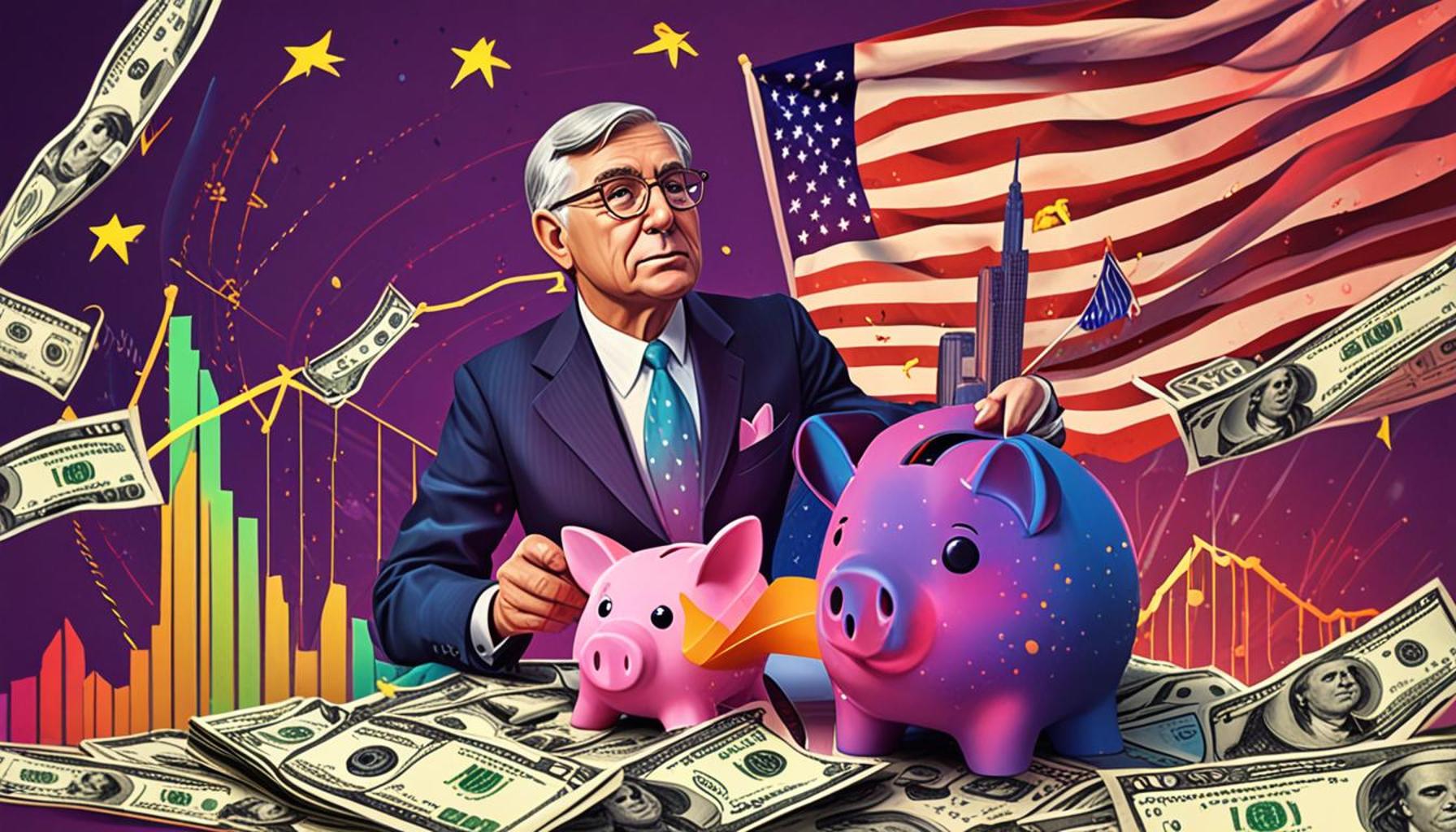
Understanding the Impact of Interest Rates
Interest rates serve as a critical lever within the American economy, influencing a spectrum of economic activities and behaviors. From the simple act of a consumer deciding whether to finance a new car to large corporations weighing significant investment opportunities, the ripple effects of interest rates can be profound. Policymakers and investors alike must grasp how these rates operate and affect various sectors of the economy.
The Role of Interest Rates in Consumer Spending
One of the immediate effects of lower interest rates is the boost in consumer borrowing, which leads to increased spending. When rates are reduced, loans become cheaper, allowing consumers to finance significant purchases like automobiles, appliances, and electronics more affordably. For instance, a reduction in the rate for personal loans can result in higher demand for consumer goods, stimulating retail sales. Conversely, high-interest rates may discourage spending by making loans expensive, thereby lowering consumer confidence and slowing down economic growth.
Influence on Business Investments
The impact on business investments is equally significant. When interest rates are low, the cost of capital for businesses decreases, encouraging companies to borrow money for expansion projects, research and development, or new equipment. A vivid illustration of this phenomenon was seen in 2020, when the Federal Reserve slashed rates in response to the COVID-19 pandemic, prompting businesses to invest in technology and infrastructure amid uncertain demand. Higher rates, on the other hand, can create hesitance among businesses, as they may delay or reduce investment plans due to increased borrowing costs, which can stifle growth and innovation.
Housing Market Dynamics
Interest rates directly impact the housing market, affecting mortgage rates and consequently, housing demand. When mortgage rates drop, potential homebuyers are incentivized to purchase homes, often resulting in a spike in home sales and a rise in property values. For instance, during periods of historically low mortgage rates, such as seen post-2020, many Americans entered the housing market, benefiting from lower monthly payments. However, a rise in interest rates typically leads to higher mortgage costs, reducing affordability and dampening demand, ultimately affecting home sales and construction activities.
Current Trends and Future Forecasts
The analysis of recent rate changes reveals how the Federal Reserve’s monetary policy influences economic strategies. Adjustments in rates can indicate a shift in focus towards controlling inflation or stimulating economic growth. Currently, inflation trends are a pivotal concern; as inflation rates rise, the Federal Reserve may need to increase interest rates to curb excessive spending and maintain economic stability.
Moreover, it is critical to consider the global influence on domestic interest rates. Economic conditions in other countries, such as European market developments or shifts in emerging economies, can lead to adjustments in US rates as policymakers respond to international economic pressures. For example, if inflation rises significantly in Europe, US rates might increase in anticipation of similar trends at home.
Thus, being aware of these current trends and future forecasts allows both individuals and businesses to make informed financial decisions. This understanding not only prepares them to navigate the complexities of the market but also positions them to seize opportunities as they arise. The intricate relationship between interest rates and the broader economy underscores the importance of continuous monitoring and analysis of these essential economic indicators.
DISCOVER MORE: Click here for insights on investment diversification
Understanding the Impact of Interest Rates
Interest rates serve as a critical lever within the American economy, influencing a spectrum of economic activities and behaviors. From the simple act of a consumer deciding whether to finance a new car to large corporations weighing significant investment opportunities, the ripple effects of interest rates can be profound. Policymakers and investors alike must grasp how these rates operate and affect various sectors of the economy.
The Role of Interest Rates in Consumer Spending
One of the immediate effects of lower interest rates is the boost in consumer borrowing, which leads to increased spending. When rates are reduced, loans become cheaper, allowing consumers to finance significant purchases like automobiles, appliances, and electronics more affordably. For instance, a reduction in the rate for personal loans can result in higher demand for consumer goods, stimulating retail sales. Conversely, high-interest rates may discourage spending by making loans expensive, thereby lowering consumer confidence and slowing down economic growth.
Influence on Business Investments
The impact on business investments is equally significant. When interest rates are low, the cost of capital for businesses decreases, encouraging companies to borrow money for expansion projects, research and development, or new equipment. A vivid illustration of this phenomenon was seen in 2020, when the Federal Reserve slashed rates in response to the COVID-19 pandemic, prompting businesses to invest in technology and infrastructure amid uncertain demand. Higher rates, on the other hand, can create hesitance among businesses, as they may delay or reduce investment plans due to increased borrowing costs, which can stifle growth and innovation.
Housing Market Dynamics
Interest rates directly impact the housing market, affecting mortgage rates and consequently, housing demand. When mortgage rates drop, potential homebuyers are incentivized to purchase homes, often resulting in a spike in home sales and a rise in property values. For instance, during periods of historically low mortgage rates, such as seen post-2020, many Americans entered the housing market, benefiting from lower monthly payments. However, a rise in interest rates typically leads to higher mortgage costs, reducing affordability and dampening demand, ultimately affecting home sales and construction activities.
Current Trends and Future Forecasts
The analysis of recent rate changes reveals how the Federal Reserve’s monetary policy influences economic strategies. Adjustments in rates can indicate a shift in focus towards controlling inflation or stimulating economic growth. Currently, inflation trends are a pivotal concern; as inflation rates rise, the Federal Reserve may need to increase interest rates to curb excessive spending and maintain economic stability.
Moreover, it is critical to consider the global influence on domestic interest rates. Economic conditions in other countries, such as European market developments or shifts in emerging economies, can lead to adjustments in US rates as policymakers respond to international economic pressures. For example, if inflation rises significantly in Europe, US rates might increase in anticipation of similar trends at home.
Thus, being aware of these current trends and future forecasts allows both individuals and businesses to make informed financial decisions. This understanding not only prepares them to navigate the complexities of the market but also positions them to seize opportunities as they arise. The intricate relationship between interest rates and the broader economy underscores the importance of continuous monitoring and analysis of these essential economic indicators.
DISCOVER MORE: Click here for valuable insights
Shifts in Interest Rate Policies and Their Economic Implications
The Federal Reserve’s role in setting interest rates is inherently tied to its broader economic goals, including managing inflation, maximizing employment, and stabilizing prices. As housing and consumer debt grow, changes in monetary policy can trigger significant repercussions across the economy. An important aspect of understanding these shifts is to examine both the immediate impacts and the potential long-term consequences on various economic indicators such as GDP growth, employment rates, and inflation.
The Link Between Interest Rates and Inflation
Historically, there exists a direct correlation between interest rates and inflation. When the economy faces rising inflationary pressures, the Federal Reserve often raises interest rates to temper consumer spending, effectively curbing demand. These actions help to prevent the economy from overheating. For instance, following significant stimulus packages aimed at combating the economic fallout from the COVID-19 pandemic, inflation surged to levels not seen in decades. In response, the Federal Reserve began signaling likely rate hikes, which are anticipated to stabilize prices without triggering a recession. Data from mid-2021 indicated inflation rose to 5.4%, pushing the Fed towards a tighter monetary policy, thus reflecting the ongoing tug-of-war between promoting growth and controlling inflation.
The Impact of Interest Rate Changes on Employment
Changes in interest rates also have a pronounced impact on employment levels. When interest rates are reduced, it typically stimulates economic activity, leading to increased demand for goods and services. This, in turn, encourages businesses to hire more employees. Conversely, if higher interest rates dampen economic activity, employers might restrain hiring, freeze wages, or even resort to layoffs to manage rising costs. After the abrupt rate increases during the late 2010s, some economists warned of potential job losses due to reduced business profitability. The ability of the labor market to absorb these shocks will depend not only on the responsiveness of businesses but also on the overall resiliency of the economy.
Consumer Debt and Financial Stability
The relationship between interest rates and consumer debt also warrants careful attention. As rates rise, the cost of servicing existing debts increases, which can strain household budgets and lead to higher default rates. According to the Federal Reserve, the total outstanding household debt reached approximately $15.32 trillion in 2021, with a notable share attributed to mortgage and student loan obligations. When interest rates climb, homeowners with variable-rate mortgages face escalating payments, potentially placing them in precarious financial situations. Monitoring consumer debt levels is critical, as excessive debt can hinder economic recovery and contribute to instability in the financial system.
Long-Term Economic Forecasts
Looking ahead, several economic forecasts anticipate a mixed landscape for interest rates. As of late 2023, analysts project that the Federal Reserve will maintain a careful approach, considering external factors such as ongoing geopolitical tensions and global supply chain disruptions. The interplay between economic growth and inflation will dictate future rate adjustments, as a persistently high inflation rate could necessitate more aggressive policy changes. Moreover, labor market dynamics will play an essential role, as a tight job market may put upward pressure on wages, further fueling inflationary trends.
Thus, understanding these dynamics not only equips policymakers and investors to anticipate movement in the financial landscape but also allows businesses and consumers alike to adjust their strategies in navigating an ever-evolving economic environment. The significance of interest rates extends beyond immediate financial decisions; they form the foundation upon which longer-term economic health and stability are built.
DIVE DEEPER: Click here to discover more
Conclusion
The relationship between interest rates and the American economy is complex and multifaceted, influencing various dimensions such as inflation, employment, and consumer debt. As the Federal Reserve navigates the dual objectives of fostering economic growth and controlling inflation, the implications of interest rate changes become increasingly significant. The historical patterns observed illustrate that fluctuations in interest rates can lead to immediate adjustments in consumer behavior and corporate strategies, ultimately impacting overall economic stability.
Moreover, as we look ahead, the evolving landscape suggests a delicate balancing act for policymakers. With current economic forecasts hinting at potential rate hikes in response to persistent inflation, understanding the broader economic implications becomes imperative. Stakeholders—including businesses, investors, and consumers—must remain vigilant in adapting their strategies to align with shifting monetary policies, which can dictate credit availability and ultimately drive economic activity.
In conclusion, the impact of interest rates on the American economy underscores the importance of sustained monitoring and analysis. This awareness allows for informed decision-making that aligns with both short-term objectives and long-term financial health. As the economy progresses through its recovery from recent challenges, maintaining a keen focus on interest rate trends will be crucial for sustaining economic resilience and stability in the face of future uncertainties.
Related posts:
Analysis of tax policies and their effect on economic growth in the USA
The effect of fiscal policies on post-pandemic economic recovery
Analysis of the Impact of Interest Rates on Credit Accessibility in the USA
The Influence of Monetary Policies on Stock Market Volatility
The impact of inflation on investment decisions in 2023
Analysis of the Impact of Government Fiscal Policies on Financial Markets and Investor Confidence

Linda Carter is a writer and financial expert specializing in personal finance and financial planning. With extensive experience helping individuals achieve financial stability and make informed decisions, Linda shares her knowledge on the our platform. Her goal is to empower readers with practical advice and strategies for financial success.