
Trends in Financial Risk Management in Technology Businesses in the United States
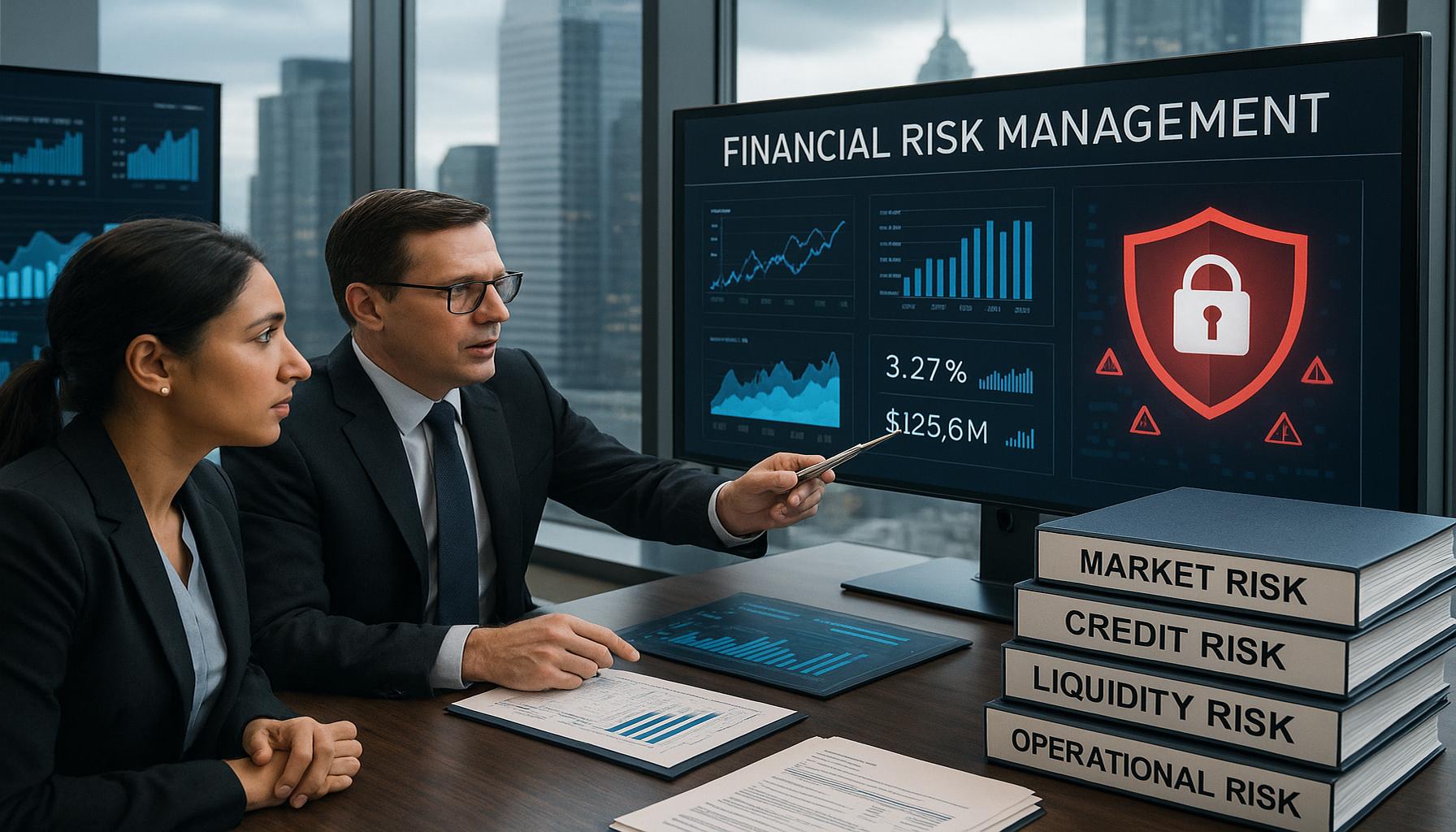
Understanding the Financial Landscape for Technology Businesses
In an era where technological advancements shape consumer behavior and market dynamics, businesses must be vigilant about the financial risks they face. The increasing complexity of financial risk management is particularly pronounced within the technology sector, where companies find themselves grappling with multifaceted challenges that could threaten their long-term viability.
One prominent trend is Increased Regulatory Scrutiny. In the wake of various corporate scandals and data breaches, regulatory bodies in the United States have heightened their oversight of tech companies. This necessitates that businesses implement rigorous compliance programs to navigate a labyrinth of laws and regulations, such as the General Data Protection Regulation (GDPR) and the California Consumer Privacy Act (CCPA). For instance, a failure to comply can result in hefty fines and reputational damage, as seen with the history of breaches at firms like Equifax.
Cybersecurity Risks are a top concern as well. As technology firms become prime targets for cyberattacks, protecting sensitive financial data is no longer optional; it is imperative. The rise in cyber incidents—be it ransomware attacks or phishing schemes—compels companies to invest heavily in cybersecurity measures. According to Cybersecurity Ventures, global spending on cybersecurity is projected to exceed $1 trillion from 2021 to 2025, reflecting the urgent need for effective risk mitigation strategies in this area.
Moreover, Market Volatility presents its own set of challenges. The technology sector is prone to rapid changes influenced by various factors, including geopolitical tensions, global pandemics, and shifts in consumer demand. This volatility affects venture capital investments and public offerings, prompting firms to employ robust financial forecasting techniques. For example, with the stock market’s erratic behavior during the COVID-19 pandemic, many tech companies had to reassess their financial outlook and funding strategies rapidly.
Innovative Practices for Risk Assessment
To counter these challenges, technology firms are increasingly adopting innovative practices in their financial risk management. One such practice is the use of Data Analytics. By harnessing massive datasets, companies can uncover trends that enable more accurate financial projections and risk assessments. For example, tech giants like Google and Amazon continuously analyze user behavior data to refine their financial strategies and mitigate risks effectively.
Additionally, the implementation of Machine Learning provides companies with the ability to develop advanced risk models. This technology allows firms to process large volumes of data and identify potential financial threats in near real-time. For instance, fintech companies are utilizing machine learning algorithms to spot fraudulent transactions and unusual spending patterns, thereby bolstering their fraud prevention efforts.
Furthermore, the concept of Collaborative Risk Management is gaining traction among technology firms. By assembling cross-functional teams that include finance, IT, and compliance personnel, companies can tackle financial risks comprehensively. This holistic approach not only fosters a culture of accountability but also facilitates more innovative solutions to complex issues. Organizations that prioritize collaboration in risk management enhance their ability to withstand financial turbulence.
As we explore these trends and strategies further, it becomes evident that understanding and adapting to financial risk is crucial for technology businesses. By staying ahead of potential challenges and leveraging innovative tools and practices, these companies can foster resilience, ensuring they thrive in an increasingly competitive marketplace.
DISCOVER MORE: Click here to learn about the impact of globalization
Navigating Financial Risks with Strategic Approaches
As technology businesses in the United States advance, their financial landscapes are evolving to include a broader spectrum of risks. Amidst the growing complexities, firms are deploying strategic approaches to mitigate potential threats and enhance profitability. One of the key strategies being embraced is the integration of Scenario Analysis. This method allows companies to simulate various economic conditions and assess their potential impacts on financial performance. By evaluating best-case, worst-case, and most-likely scenarios, organizations can better prepare for fluctuations that may arise due to unpredictable market dynamics.
Moreover, the adoption of Stress Testing has become paramount. This involves rigorously testing a company’s financial resilience against extreme but plausible adverse scenarios, helping organizations identify vulnerabilities in their financial structures. For instance, a technology company might examine its financial health amidst a hypothetical sharp decline in consumer demand or a sudden spike in input costs. This proactive approach not only facilitates better planning but also enhances investor confidence by demonstrating transparency in risk management practices.
To delve deeper into these strategic methods, several other trends are shaping the way technology firms manage financial risks:
- Risk Culture Enhancement: Firms are fostering an organizational culture that prioritizes risk awareness. This cultural shift encourages employees at all levels to identify and communicate potential risks, ensuring a collective effort in risk management.
- Integrated Risk Management Frameworks: Technology businesses are increasingly adopting frameworks that encompass financial, operational, and strategic risks. This holistic approach enables a comprehensive view of potential threats, allowing for more informed decision-making.
- Use of Blockchain Technology: Blockchain is emerging as a solution for enhancing transparency and accountability in financial transactions. By leveraging this technology, firms can minimize fraud and increase the integrity of their financial data.
Another significant trend is the emphasis on Continuous Monitoring of financial risks. With the rapid pace of change within technology markets, firms are deploying real-time monitoring systems to stay on top of financial metrics. This allows companies to detect anomalies and gauge their performance against defined benchmarks swiftly. Real-time data analytics can flag potential disruptions early, enabling firms to react promptly and adjust their strategies accordingly.
Furthermore, a focus on Investor Relations is becoming increasingly critical. With technology firms often reliant on investor funding for growth, maintaining transparent financial practices is essential. By providing regular updates and insights about risk management strategies, companies can not only strengthen relationships with existing investors but also attract potential stakeholders looking for robust investment opportunities.
As technology evolves, so too will the financial risks that accompany it. By embracing advanced assessment techniques and fostering a proactive approach to risk management, technology businesses can cultivate a resilient financial foundation that supports sustainable growth in an increasingly complex environment.
LEARN MORE: Click here to discover how to optimize credit lines for your business
Innovative Tools and Collaboration for Risk Management
In the dynamic world of technology, where change is the only constant, emerging trends in financial risk management are transforming how businesses protect their assets and sustain growth. One notable trend is the deployment of Artificial Intelligence (AI) and Machine Learning (ML)</strong) technologies to enhance risk assessment and management processes. These technologies can analyze vast amounts of data, identify patterns, and make predictive analyses more precise. For instance, AI algorithms can detect anomalies in financial transactions, flagging potential fraud attempts or credit risks in real-time, thus allowing companies to act swiftly before issues escalate.
Additionally, the use of Cloud Computing solutions is gaining momentum among technology firms as they seek to streamline their risk management procedures. Cloud-based systems enable organizations to store and process financial data more efficiently, supporting easier collaboration and access to real-time insights on risks. This shift not only reduces operational costs but also enhances flexibility, allowing businesses to scale their risk management efforts as needed. Companies can implement robust risk assessment tools in the cloud, ensuring they remain agile and responsive to shifts in both the technology landscape and broader economic conditions.
Collaboration is also a crucial theme in contemporary financial risk management strategies. Companies are increasingly engaging with external stakeholders, including fintech companies and consultancy firms, to leverage their expertise in risk management. Such partnerships enrich the in-house capabilities of tech firms, providing access to specialized knowledge and advanced risk mitigation techniques. Collaborative platforms simplify the sharing of insights across sectors, fostering innovation and driving the development of best practices in risk management.
Moreover, regulatory compliance remains a prominent concern for technology businesses. As financial regulations become increasingly complex, firms are adopting automated compliance solutions to navigate the evolving landscape. These tools not only help businesses adhere to existing compliance requirements but also anticipate future regulations by analyzing trends and potential legal changes. By staying ahead of compliance issues, tech firms can minimize the risk of fines and reputational damage, ensuring smooth operations and continued growth.
Another emerging trend in financial risk management is the growing emphasis on sustainability and Environmental, Social, and Governance (ESG) factors. Companies are recognizing that their financial risks are intertwined with broader societal impacts. Investors and consumers alike are demanding greater transparency regarding how companies manage these factors, spurring technology businesses to incorporate ESG considerations into their risk management framework. By evaluating potential environmental risks such as regulatory changes related to carbon emissions or examining social responsibilities, businesses position themselves not only as market leaders but as socially responsible entities, fostering customer loyalty and attracting investment.
Lastly, the convergence of financial risk management with Cybersecurity is gaining traction as data breaches become more frequent and costly. Technology firms are increasingly acknowledging that cyber risks can significantly affect their financial stability. Consequently, they are integrating cybersecurity frameworks into their risk management strategies, prioritizing both data protection and financial resilience. Businesses are investing in cybersecurity insurance policies, risk assessment tools, and response plans designed to safeguard sensitive information—ultimately aligning their governance structures with financial health and security protocols.
DISCOVER MORE: Click here to learn about the implications of Finland’s monetary policies
Conclusion
As technology businesses in the United States navigate a rapidly changing landscape, the evolution of financial risk management is fundamental to their success. The integration of AI and Machine Learning into risk assessment processes not only enhances accuracy but also promotes swift decision-making. By turning vast data into actionable insights, these technologies are providing firms with the necessary tools to anticipate challenges and mitigate risks effectively.
The significance of Cloud Computing cannot be understated in this context. By enhancing collaboration and real-time access to data, firms can agilely respond to evolving risks. Additionally, the partnerships with fintech companies and consultants facilitate a rich exchange of knowledge and resources, empowering firms to adopt innovative strategies that keep them ahead of the curve.
With a strong focus on sustainability and ESG factors, technology firms are not only addressing financial risk but are also enhancing their reputations among socially conscious consumers and investors. This not only leads to better risk management but also strengthens their market positioning. Furthermore, the vital convergence of financial risk management and Cybersecurity underscores the importance of protecting sensitive information in today’s interconnected world, as data breaches can have dire financial consequences.
Ultimately, these trends point to a comprehensive approach to financial risk management that harmonizes technology with strategic foresight. As businesses adopt these multifaceted techniques, they not only fortify their defenses against potential risks but also pave the way for sustained growth and innovation. This ongoing transformation invites further exploration into emerging practices, empowering organizations to embrace not just survival but thriving in an ever-evolving financial landscape.
Related posts:
How to Create an Efficient Business Budget to Maximize Profits
The role of financial technology in the transformation of traditional businesses
How Small Businesses Can Compete with Market Giants
How to Expand a Business Without Compromising Financial Health
How to Create a Sustainable Growth Plan for Startups and Small Businesses
How to Protect Your Assets Against Economic Crises in Finland

Linda Carter is a writer and financial expert specializing in personal finance and financial planning. With extensive experience helping individuals achieve financial stability and make informed decisions, Linda shares her knowledge on the our platform. Her goal is to empower readers with practical advice and strategies for financial success.